
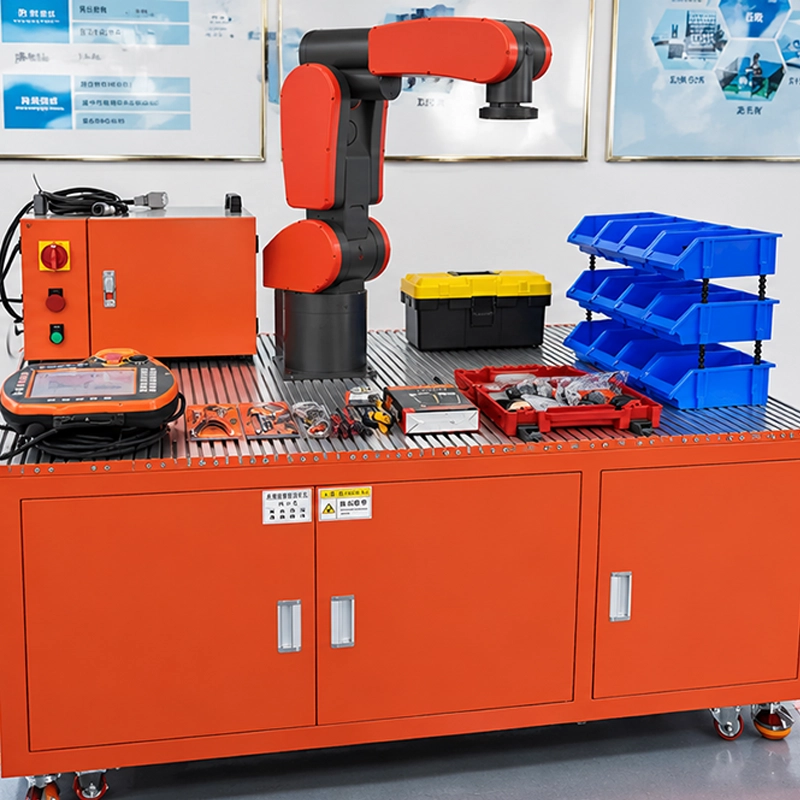
 B065 Educational Robot Disassembly & Assembly Training Workbench
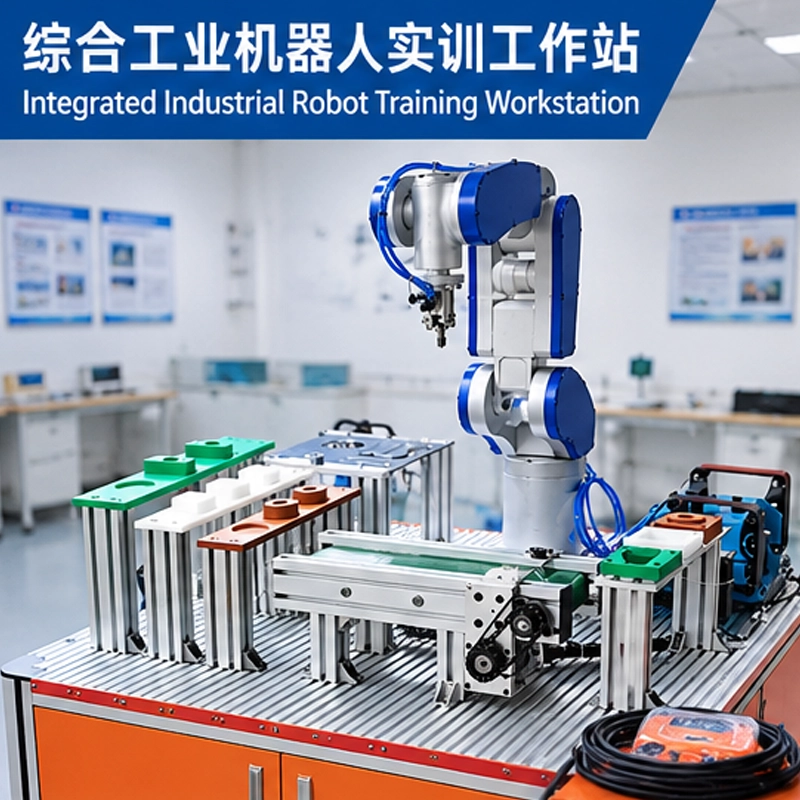 Integrated Industrial Robot Training Workstation
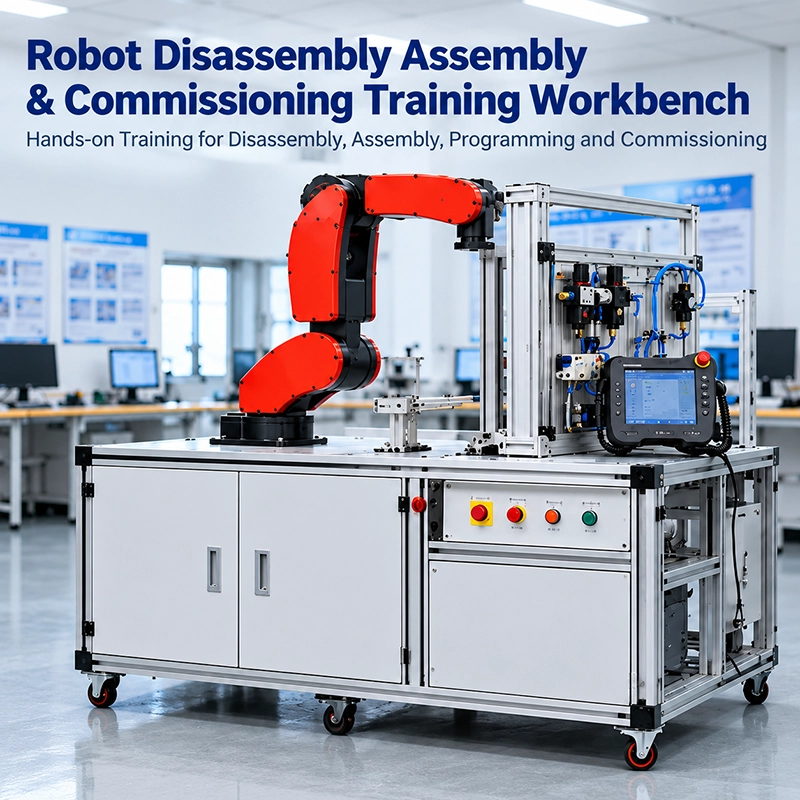 Robot Disassembly, Assembly & Commissioning Training Workbench
 Industrial Robot Special-Shaped Pin Insertion Training Workstation
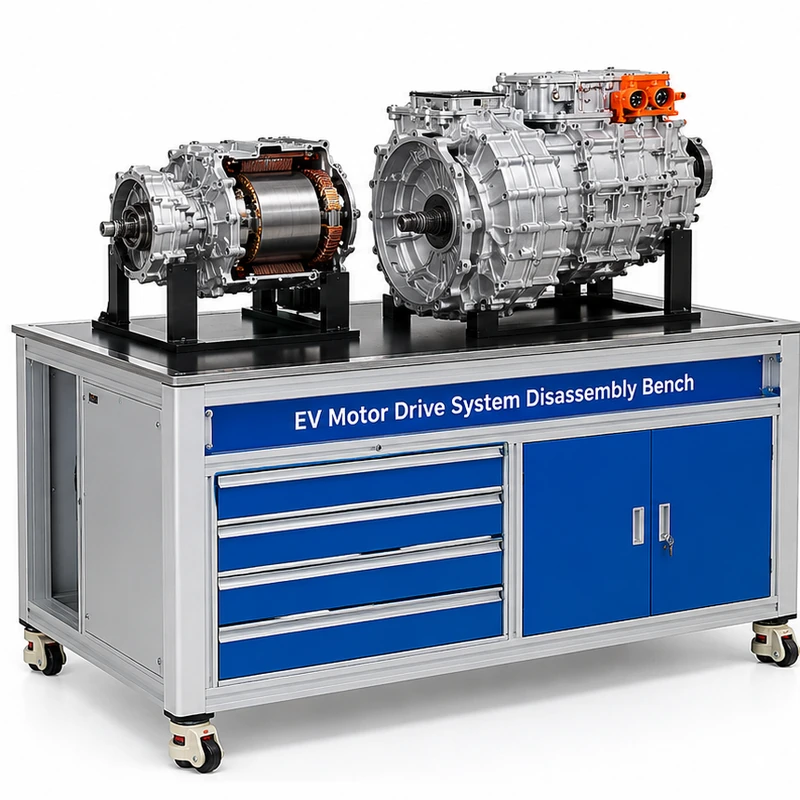 EV Motor Drive System Disassembly Bench
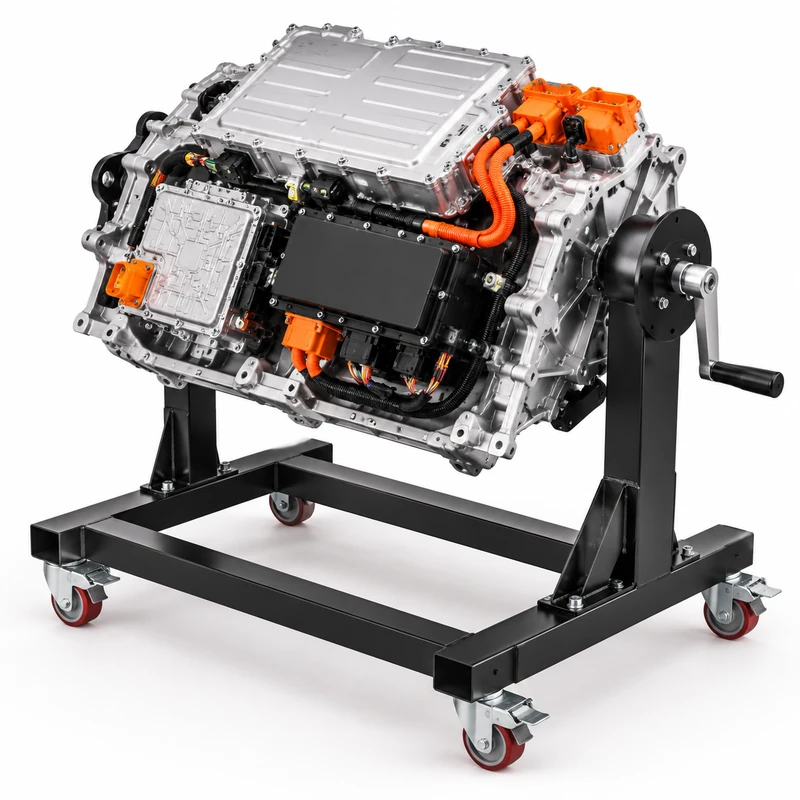 EV Electronic Control System Disassembly Bench
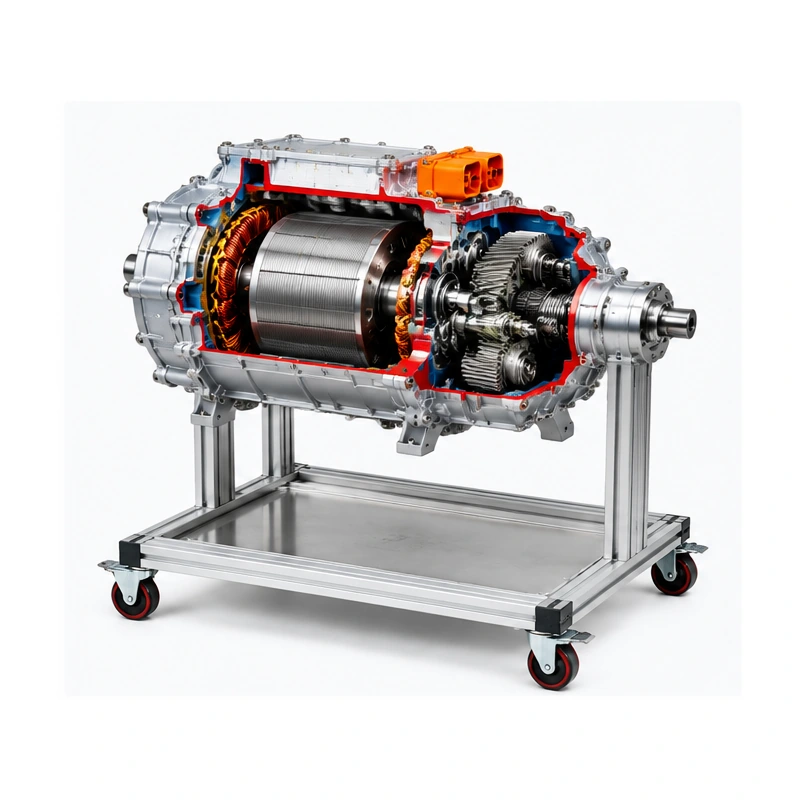 EV Drive Motor Cutaway Training Bench
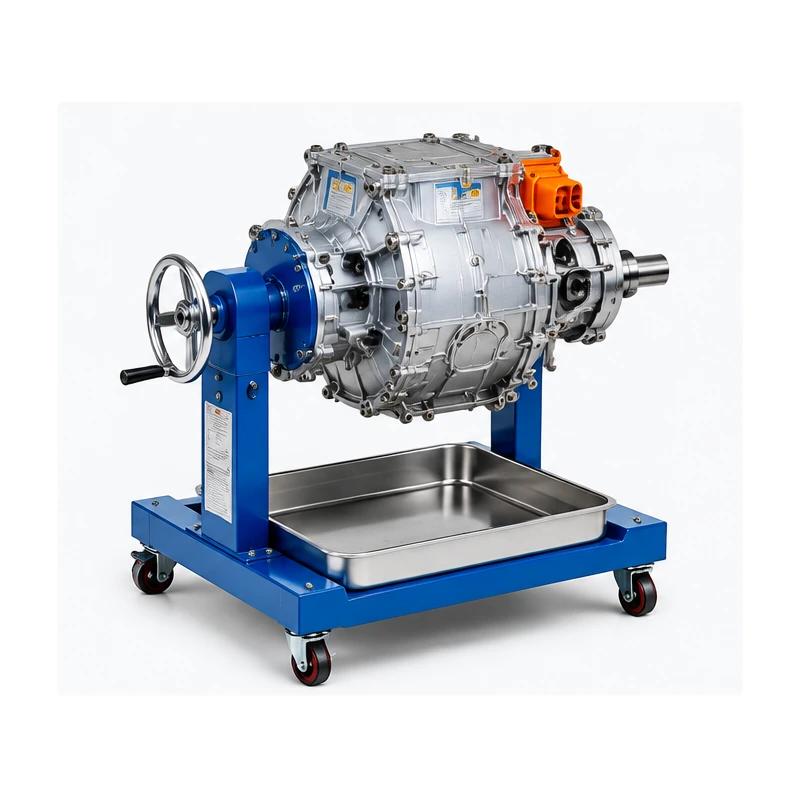 Powertrain Inspection Training Bench
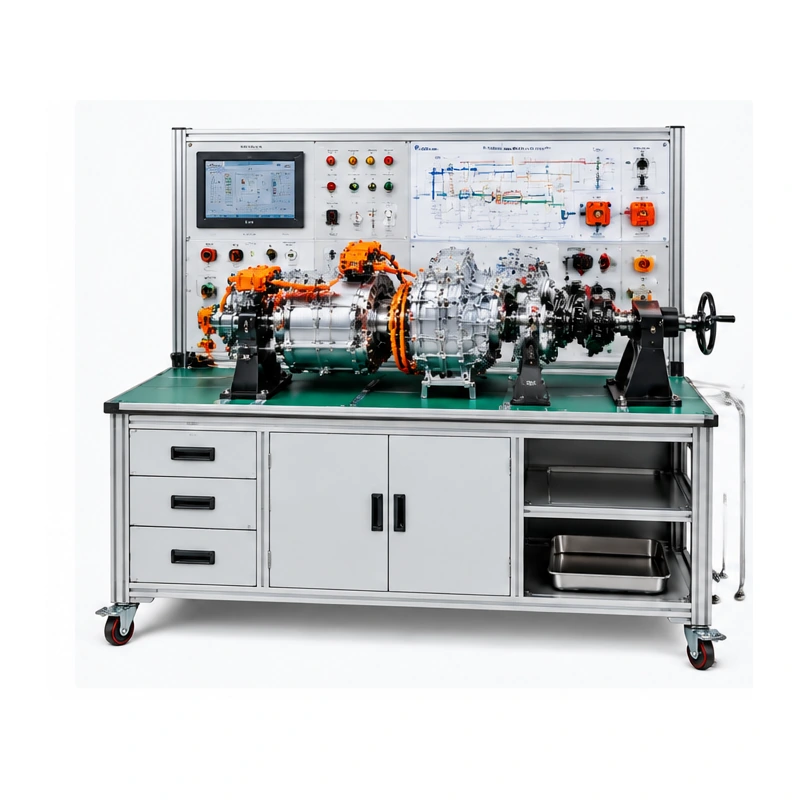 Drive Motor Maintenance Training Bench
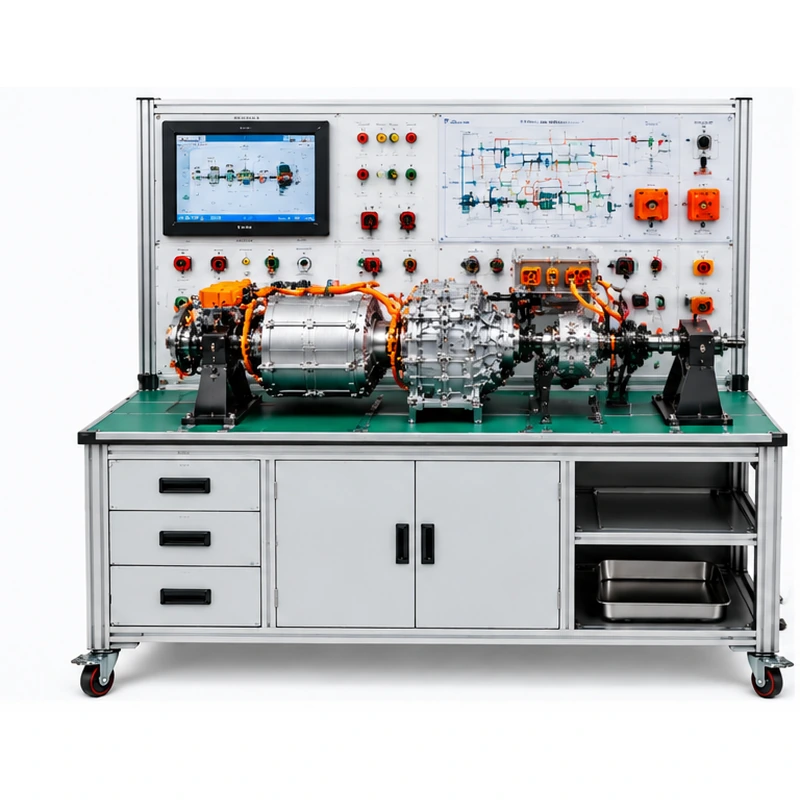 Powertrain Controller Maintenance Training Bench
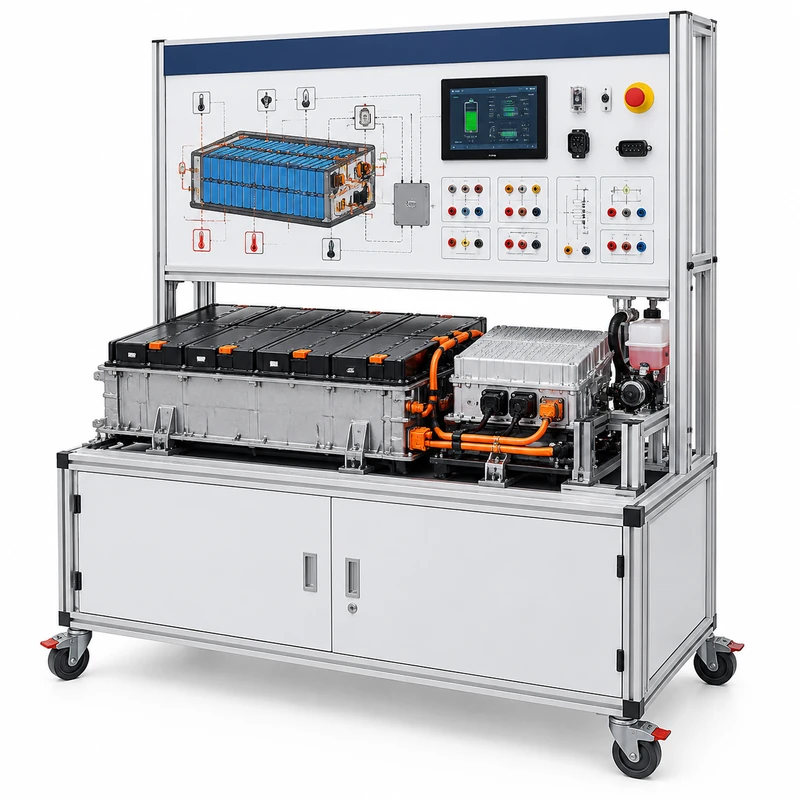 EV Battery Management System Training Bench
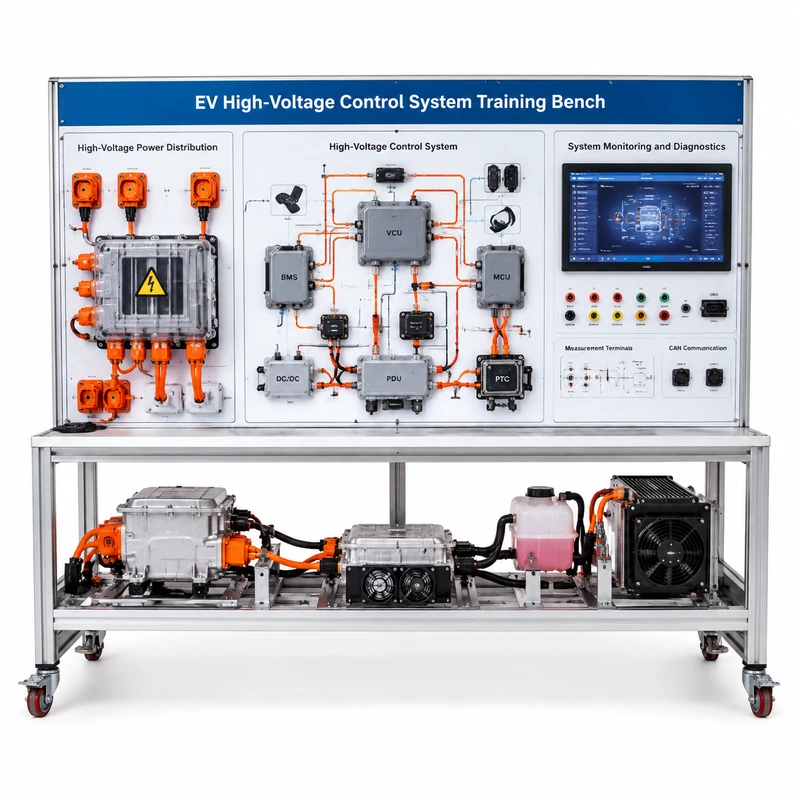 EV High-Voltage Control System Training Bench
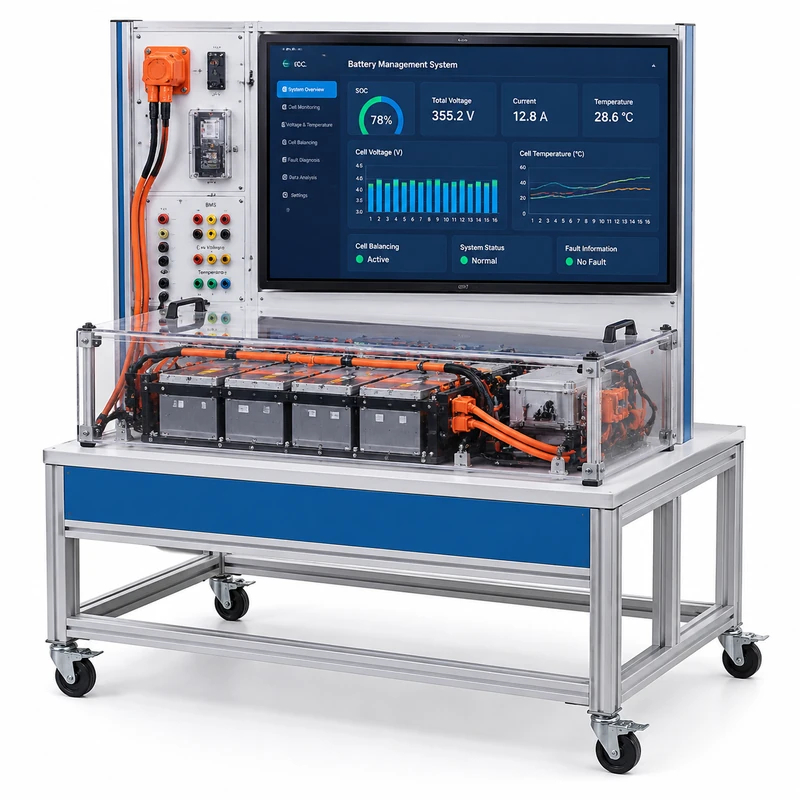 Interactive Battery Management Training Bench
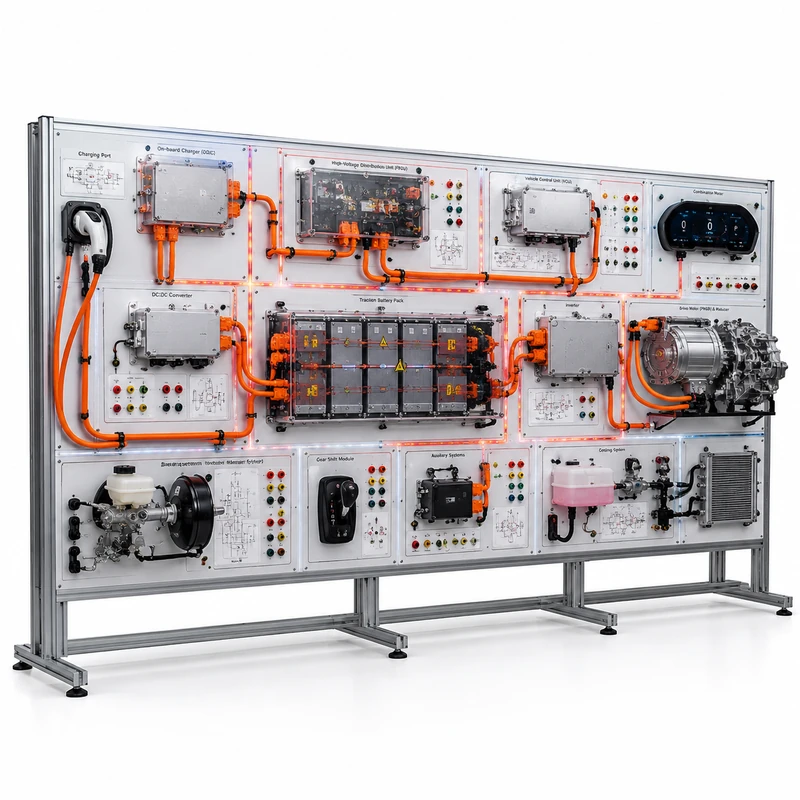 Complete EV High-Voltage System Wall Trainer
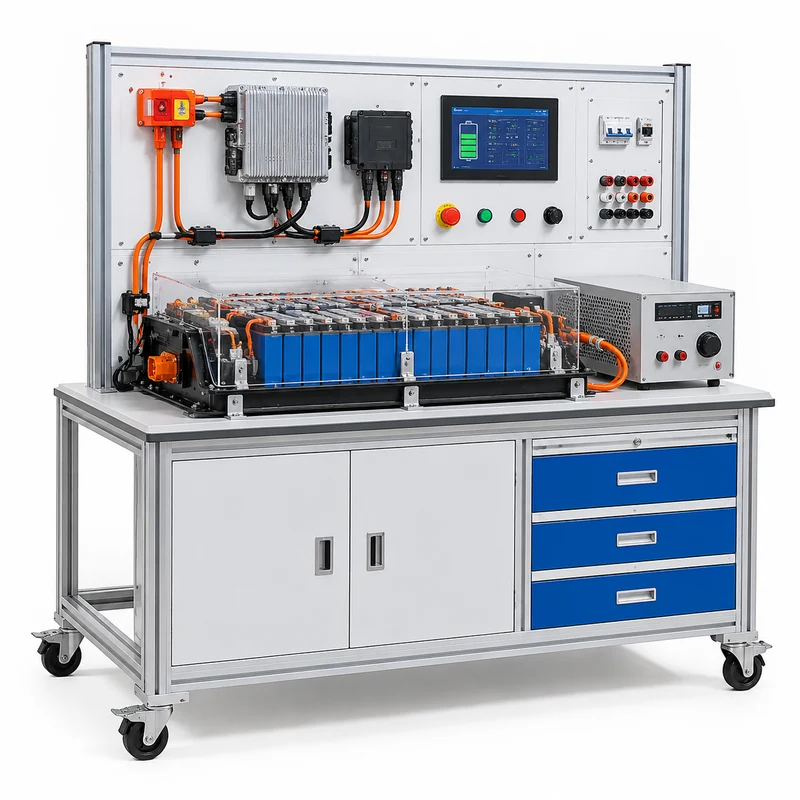 Traction Battery Assembly & Testing Workstation
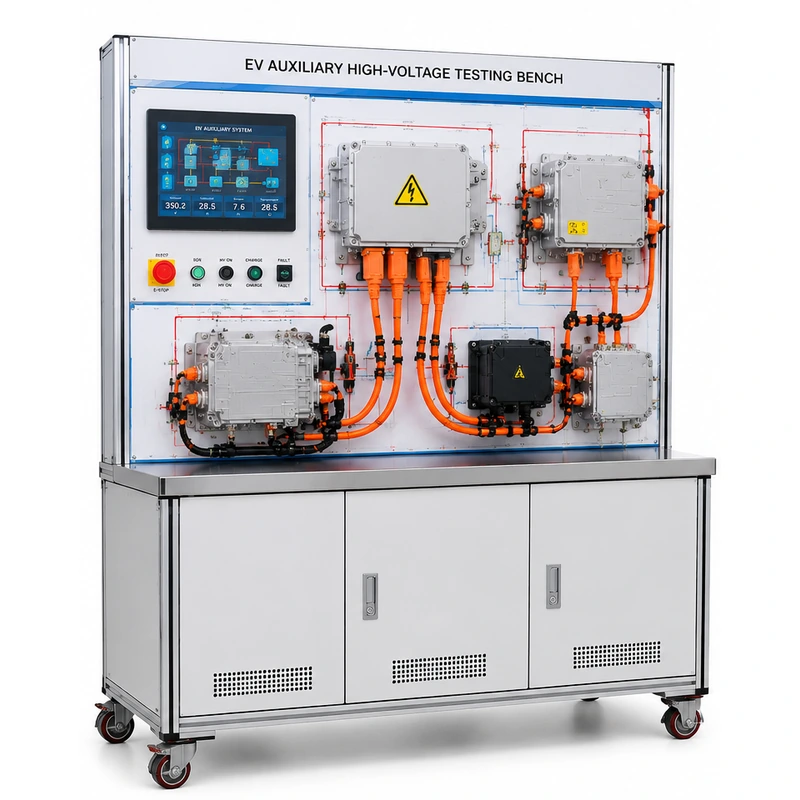 EV Auxiliary High-Voltage Testing Bench
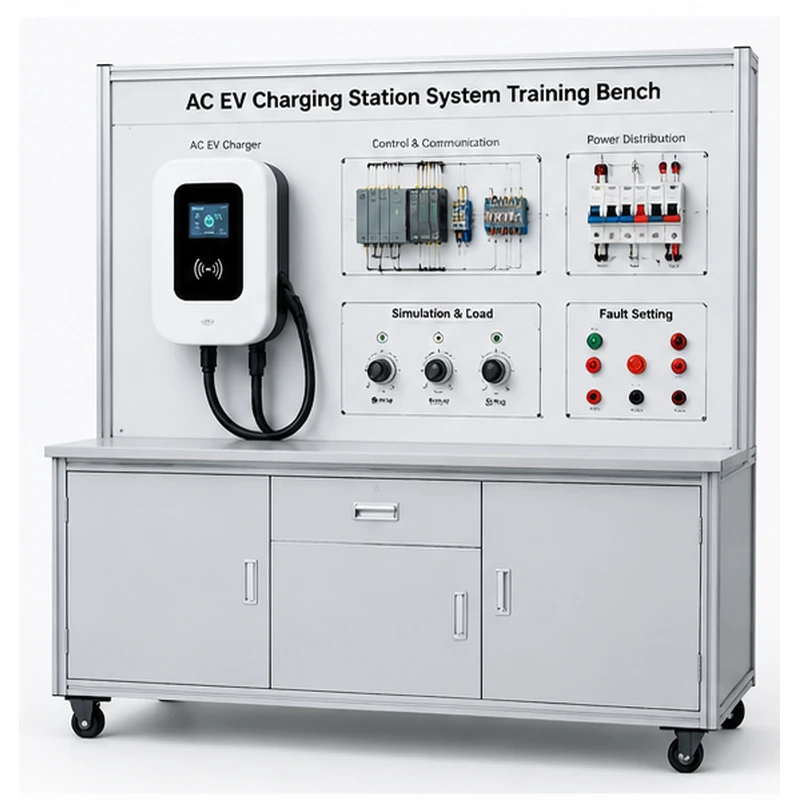 AC EV Charging Station System Training Bench
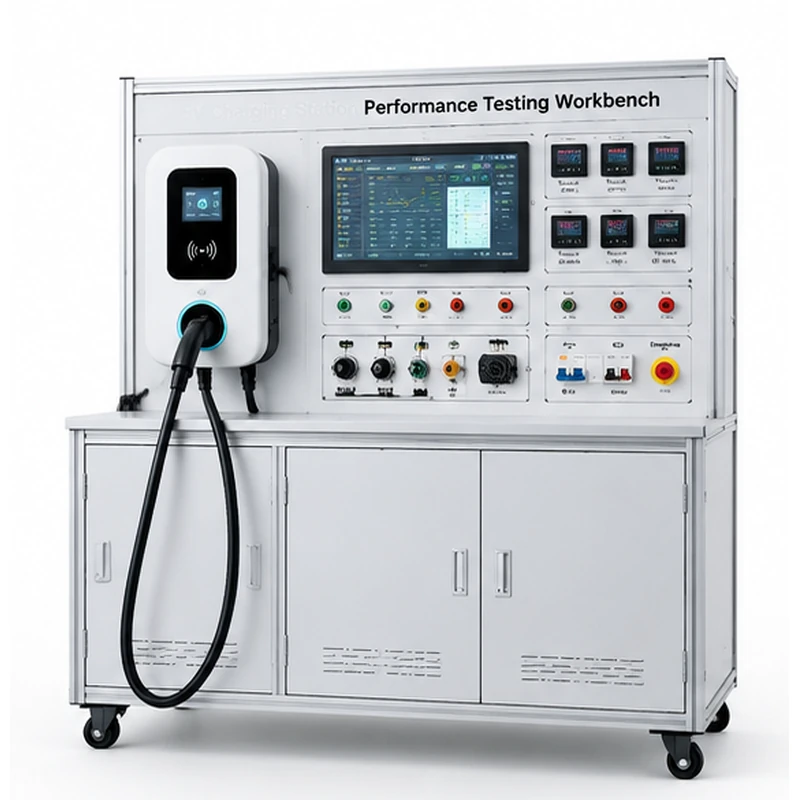 EV Charging Station Performance Testing Workbench
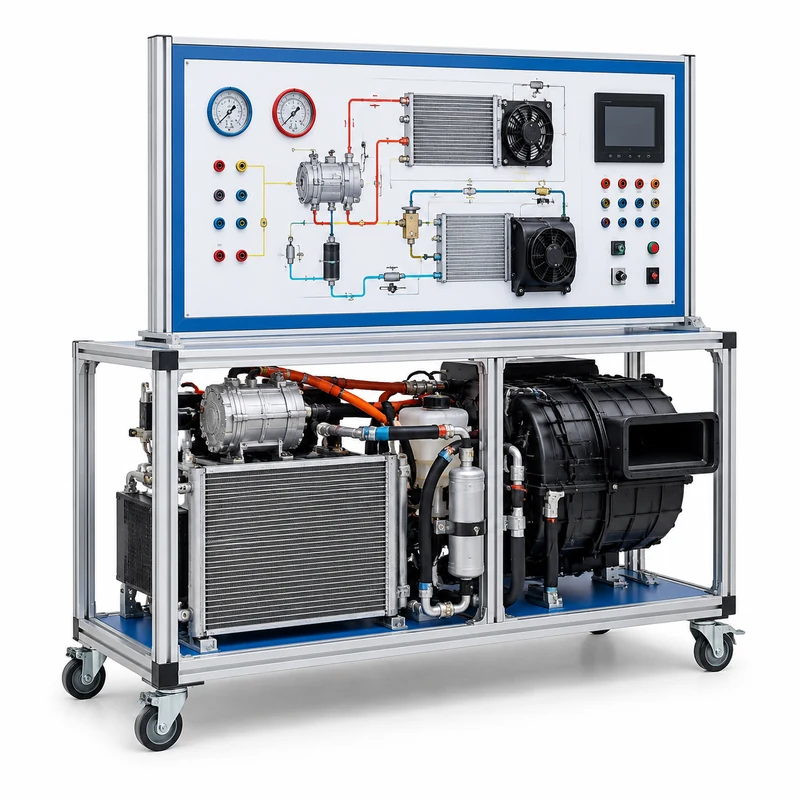 EV Air Conditioning System Training Bench
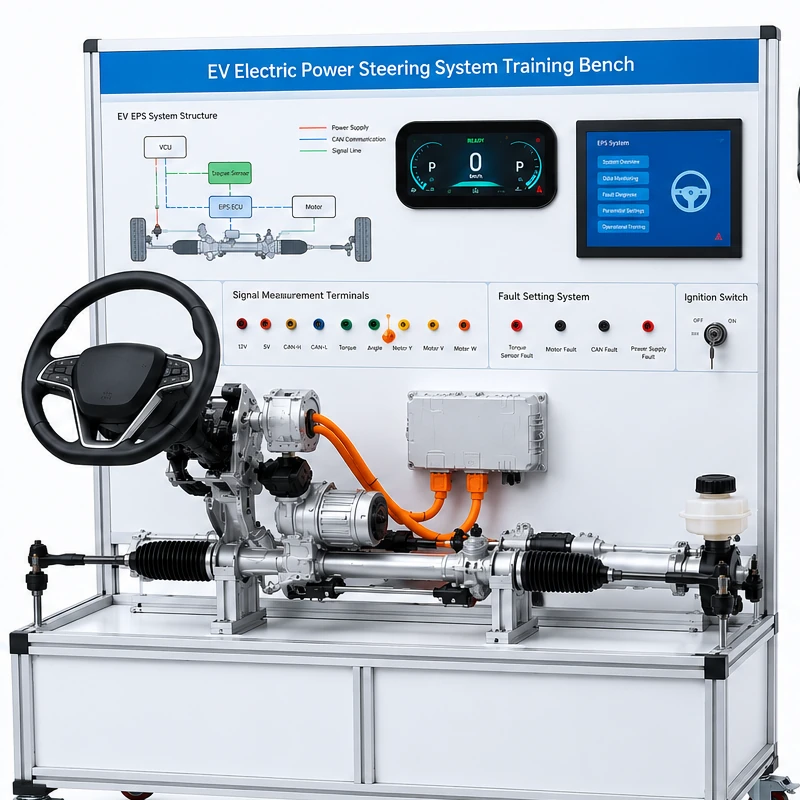 EV Electric Power Steering System Training Bench
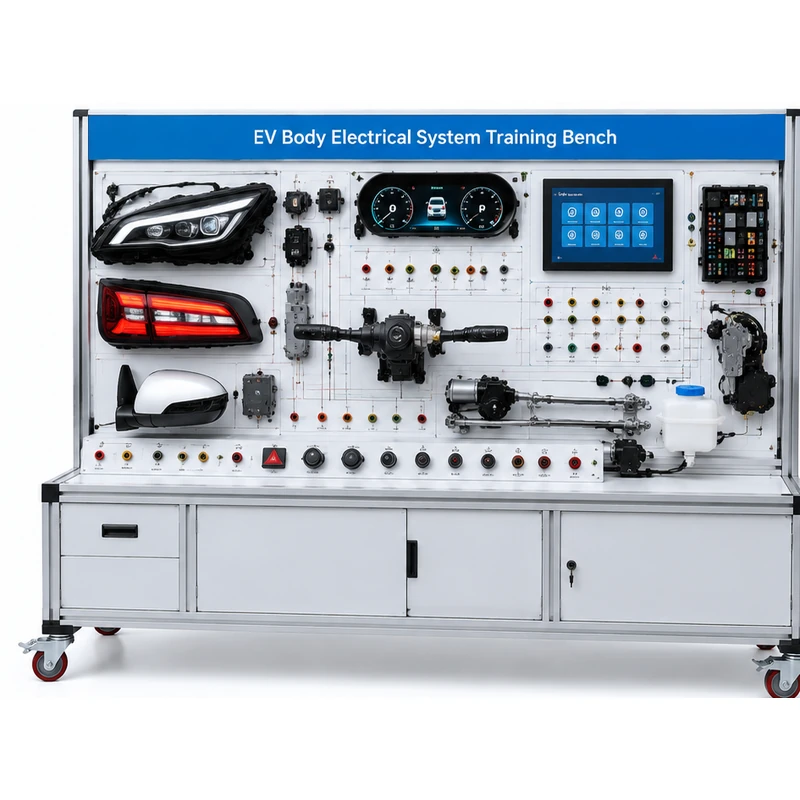 EV Body Electrical System Training Bench
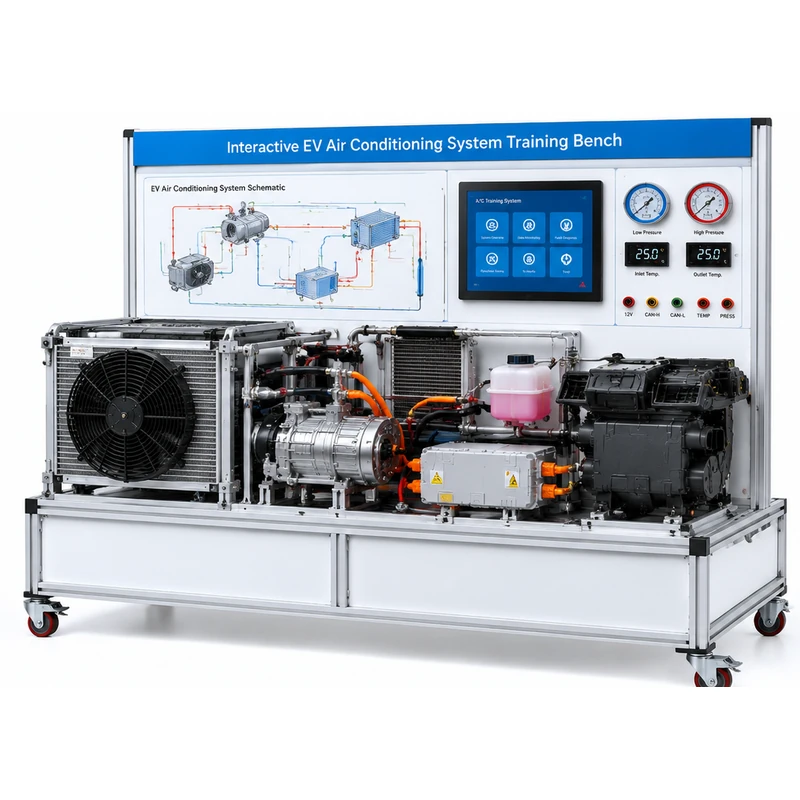 Interactive EV Air Conditioning System Training Bench
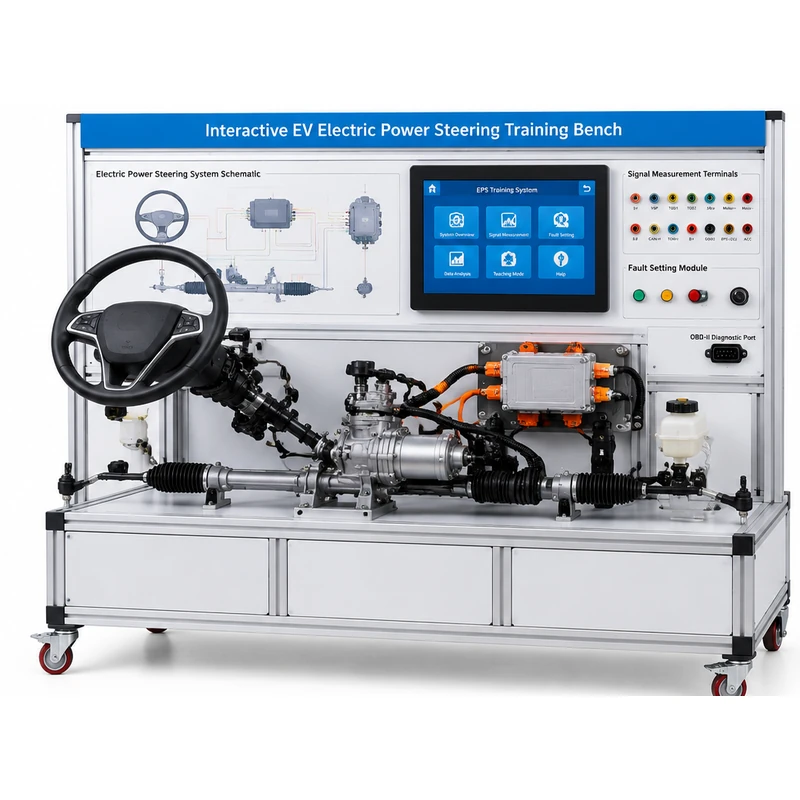 Interactive EV Electric Power Steering Training Bench
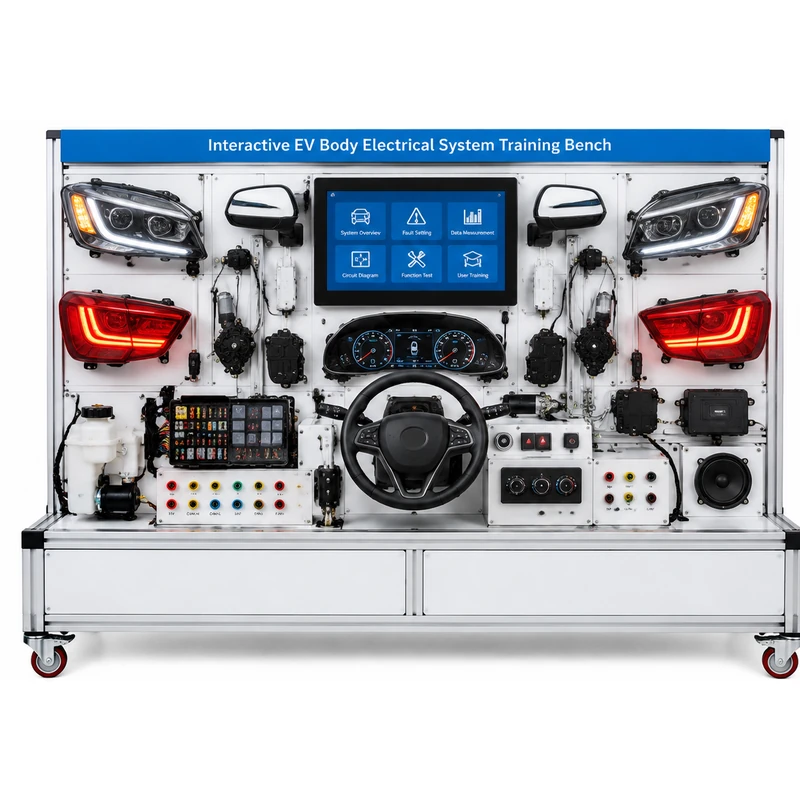 Interactive EV Body Electrical System Training Bench
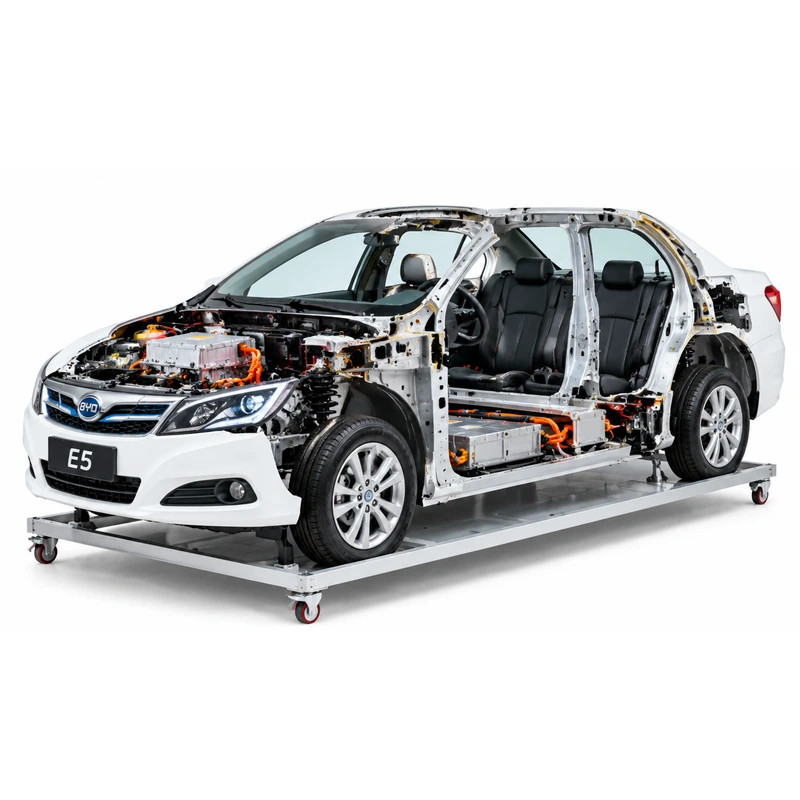 BYD E5 Cutaway EV Structure Training Vehicle
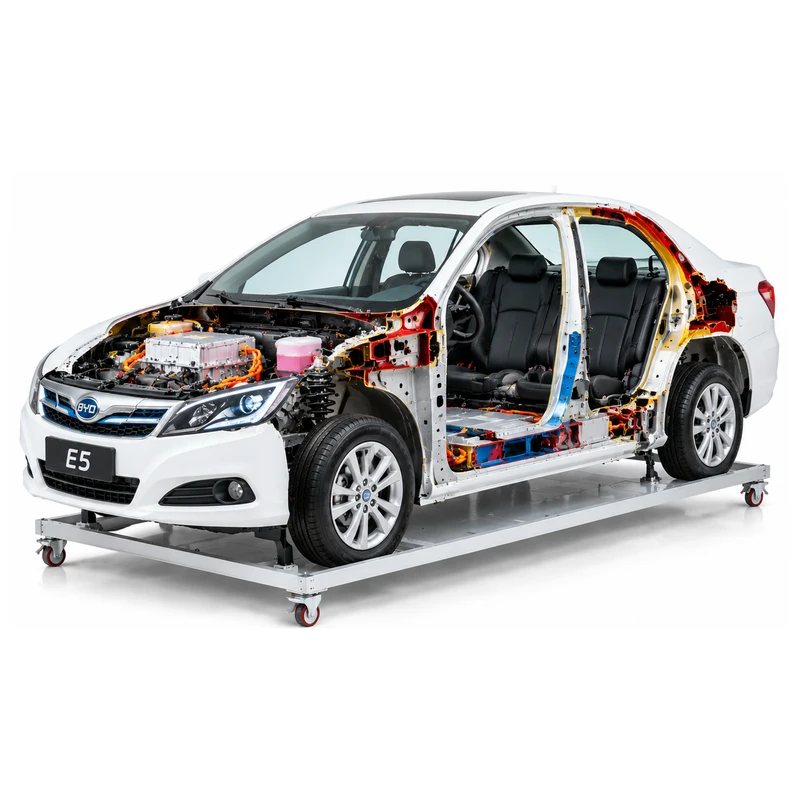 BYD E5 Light-Cutaway Electric Vehicle Trainer
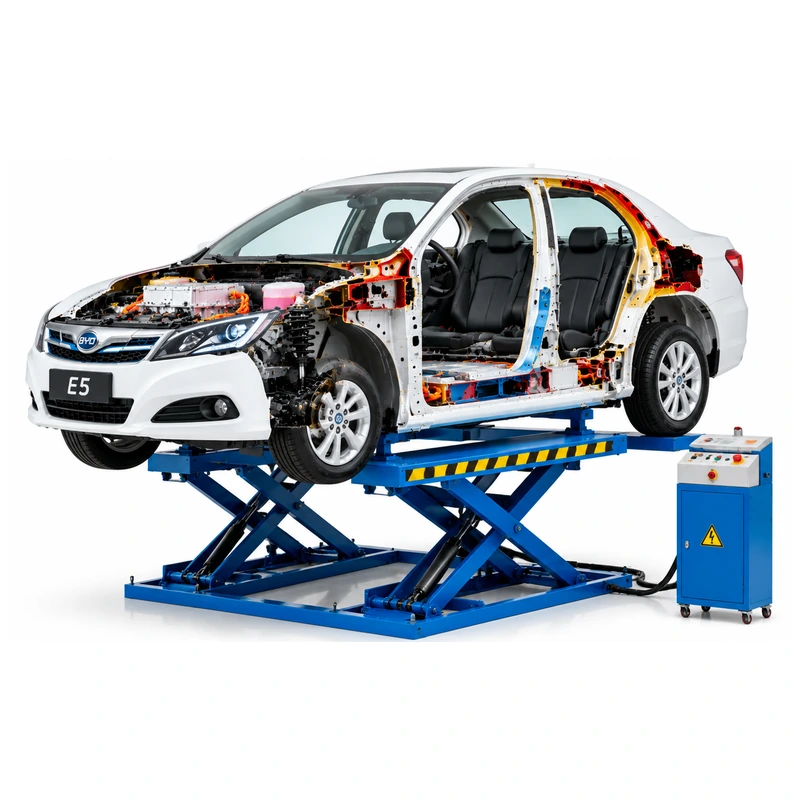 BYD E5 Cutaway Lifting Training Vehicle
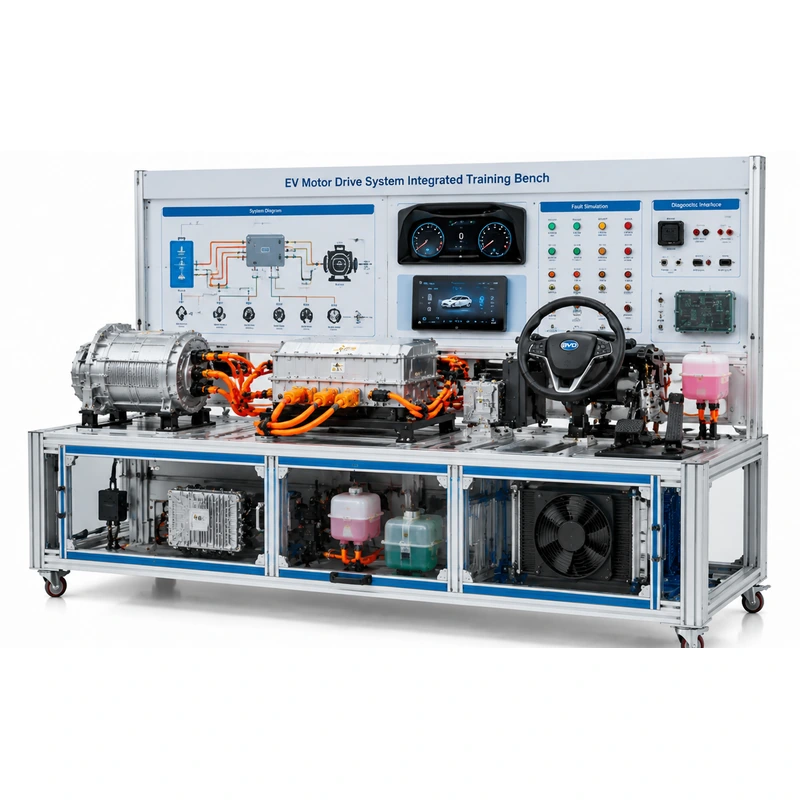 EV Motor Drive System Integrated Training Bench
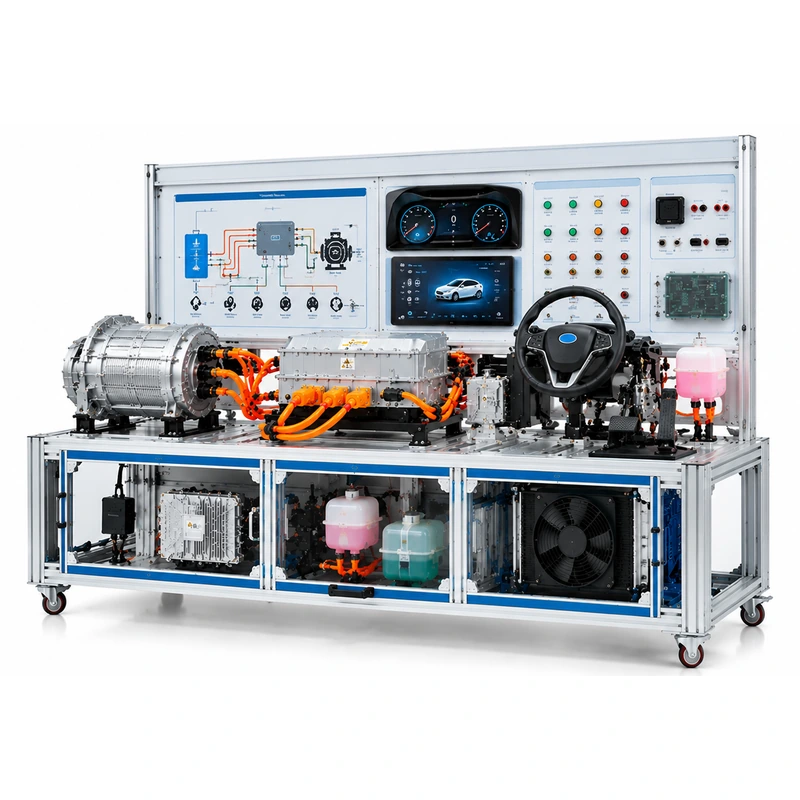 Interactive EV Motor Drive System Training Bench
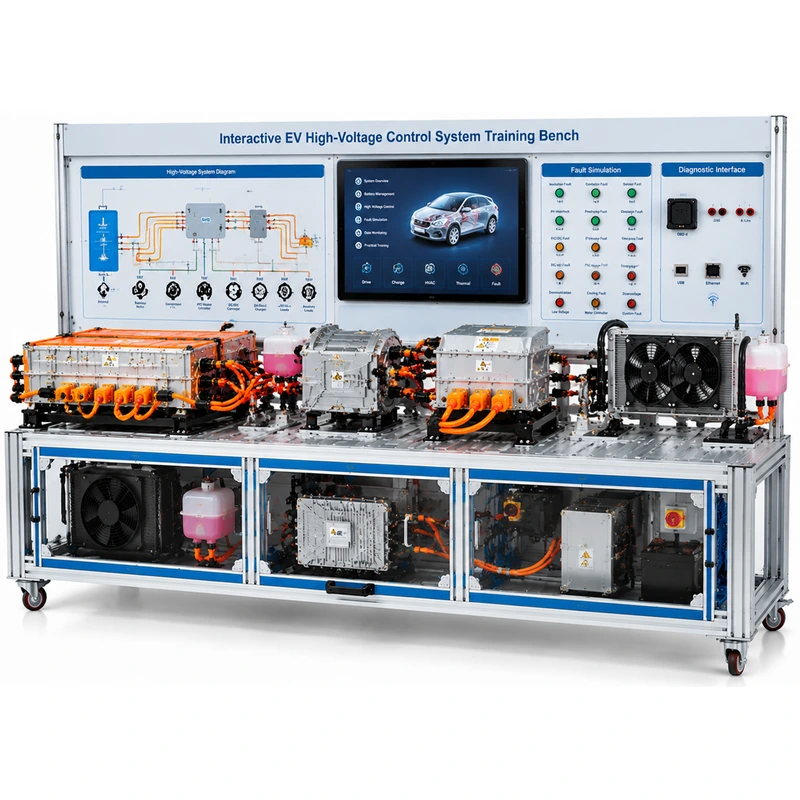 Interactive EV High-Voltage Control System Training Bench
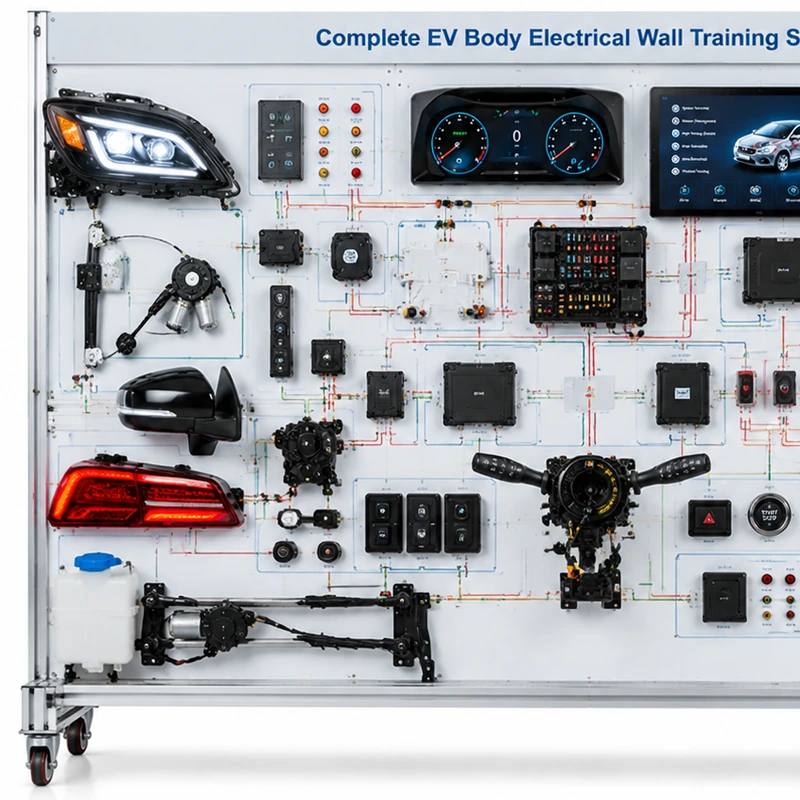 Complete EV Body Electrical Wall Training System
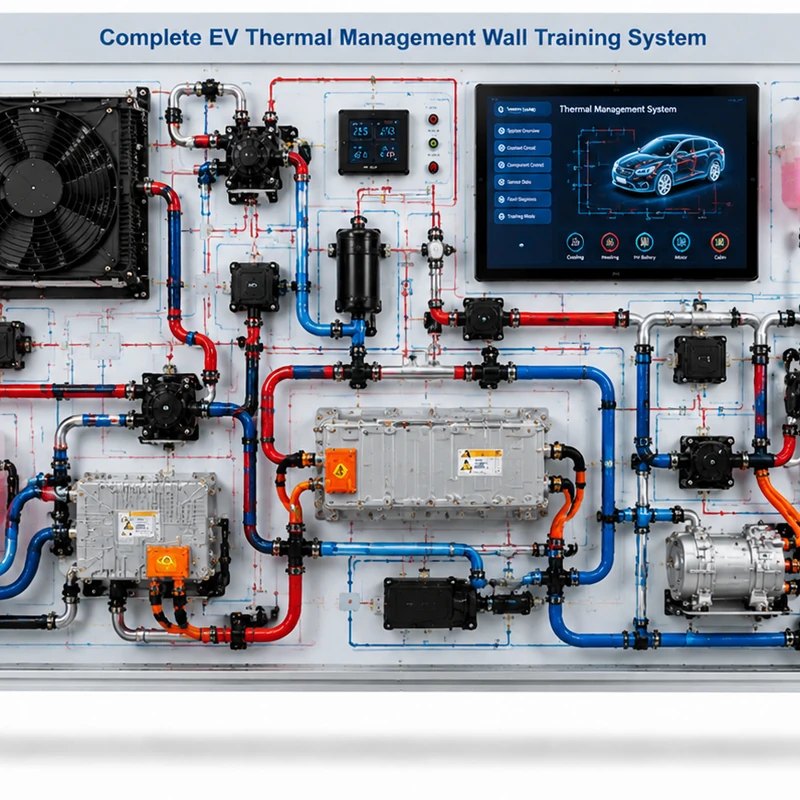 Complete EV Thermal Management Wall Training System
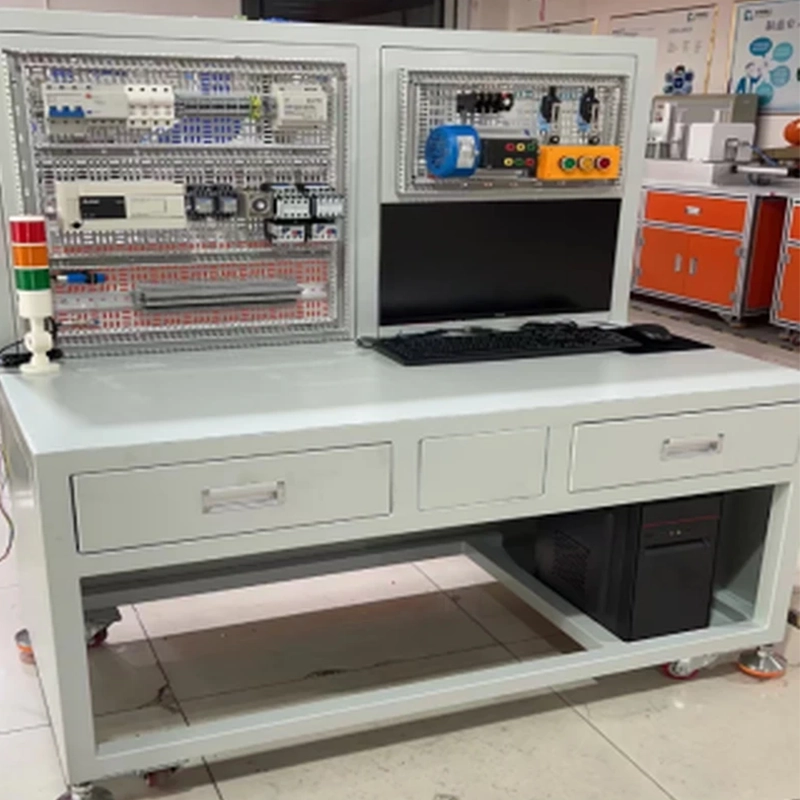
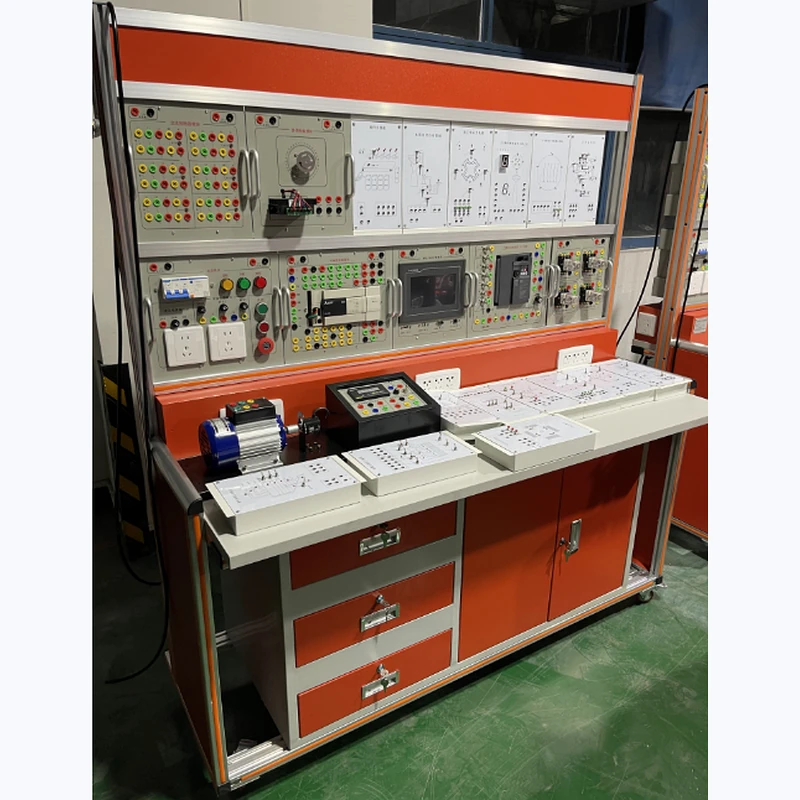
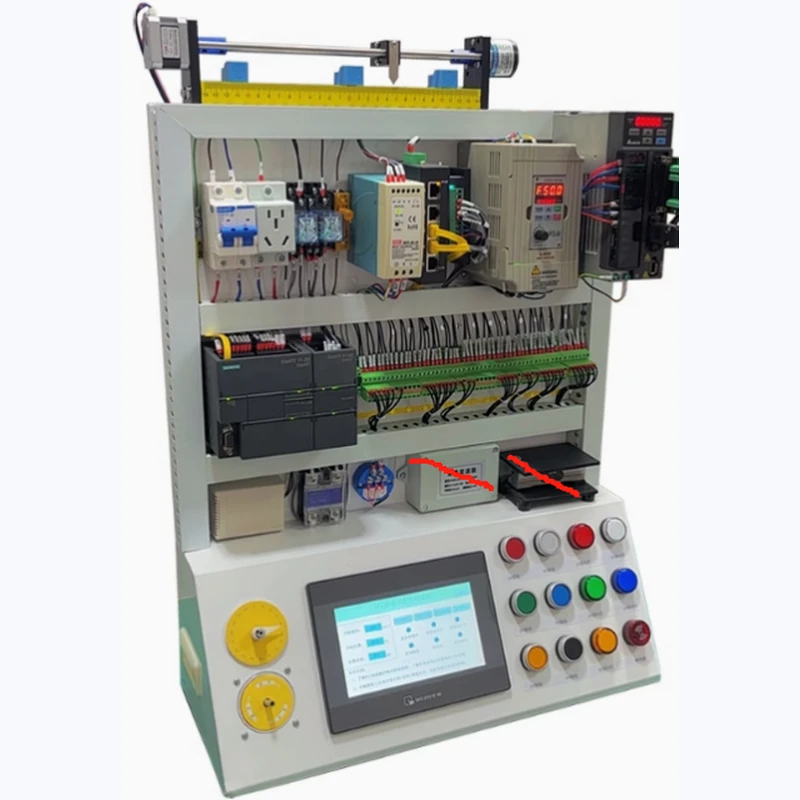
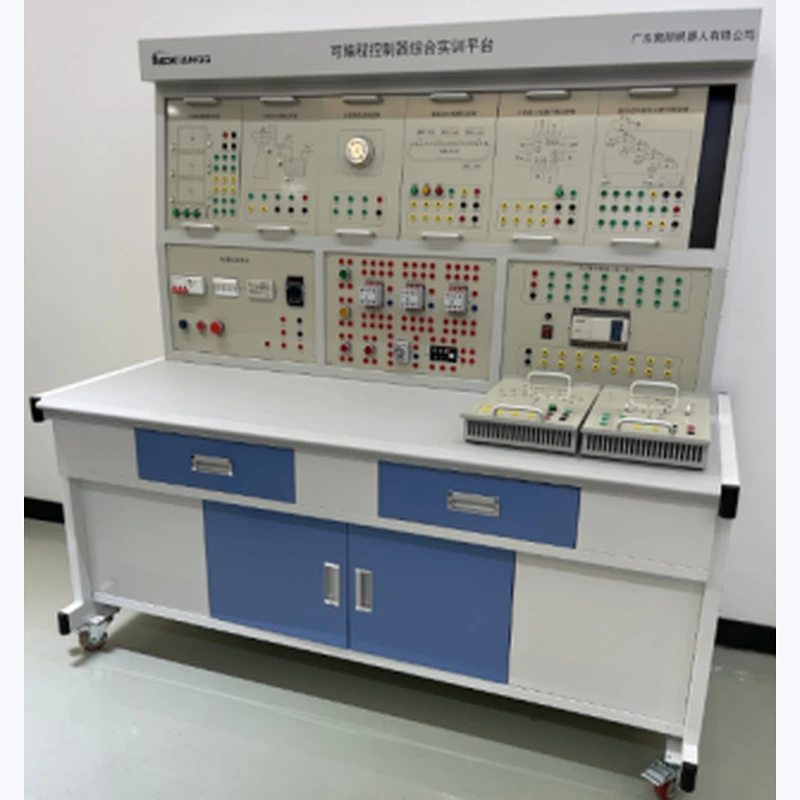
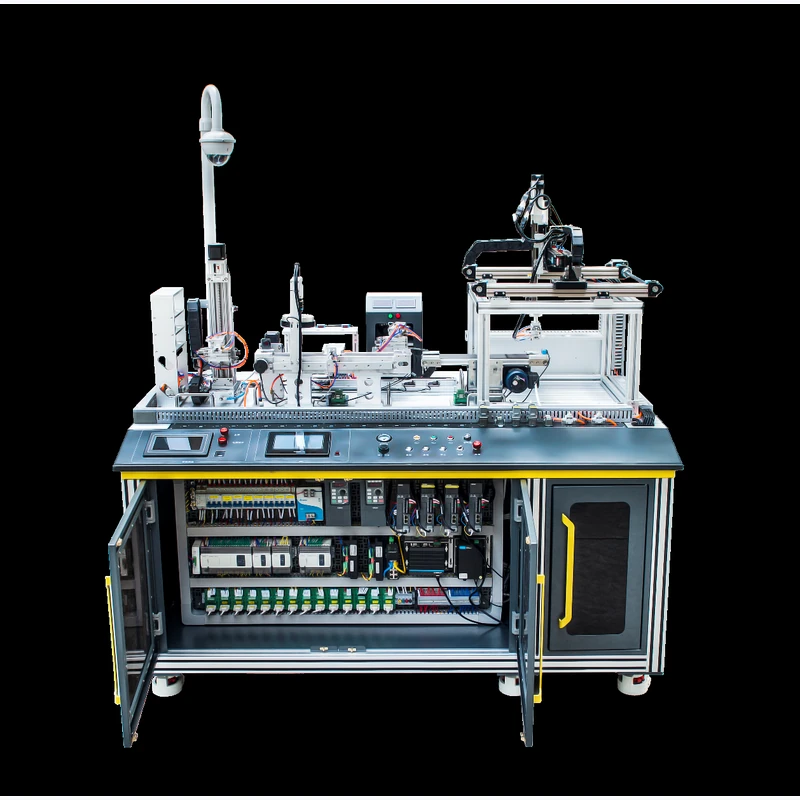
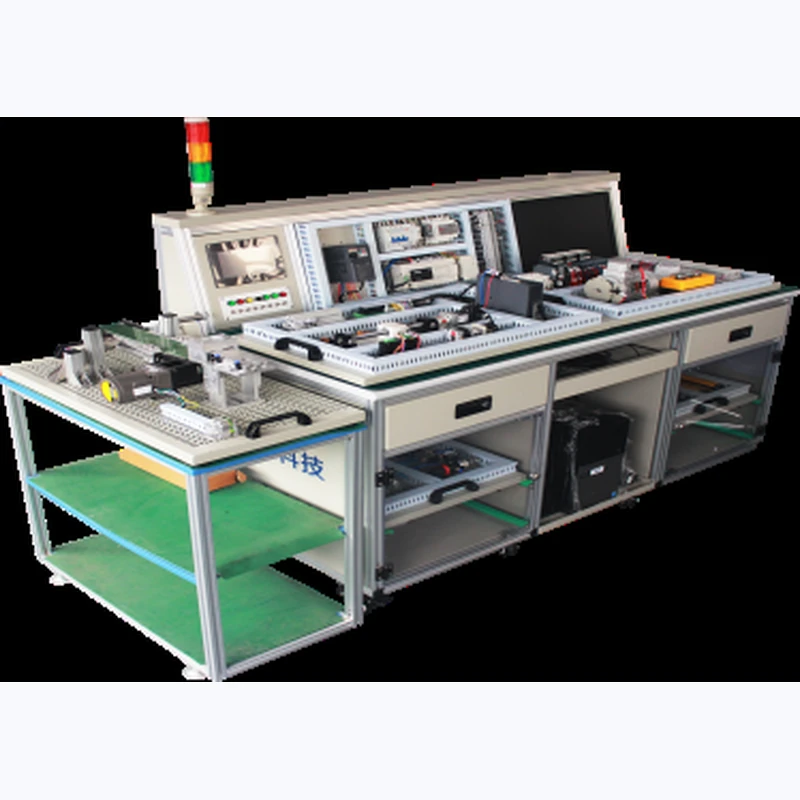
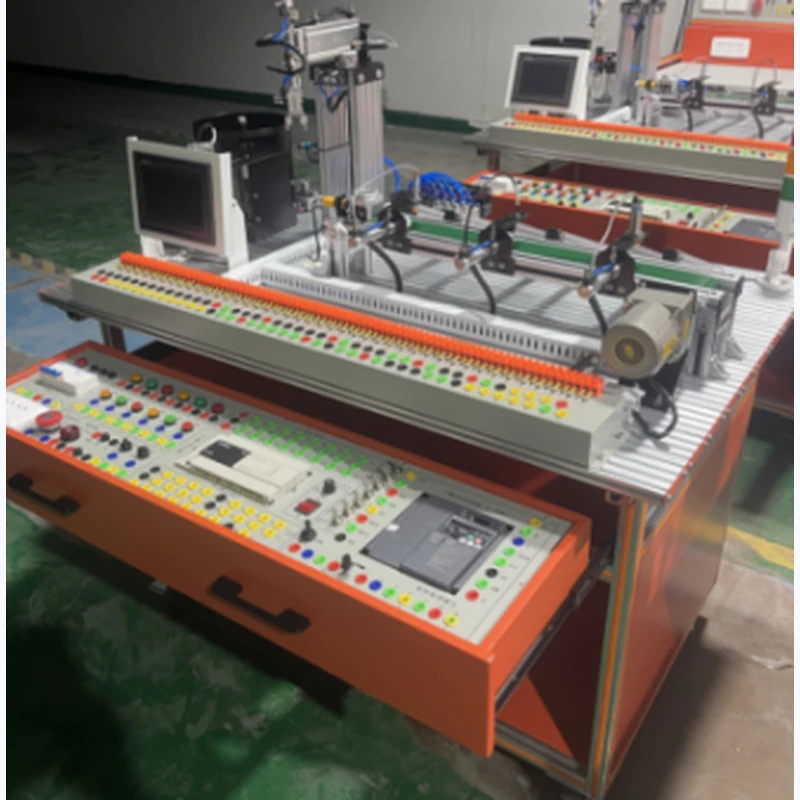
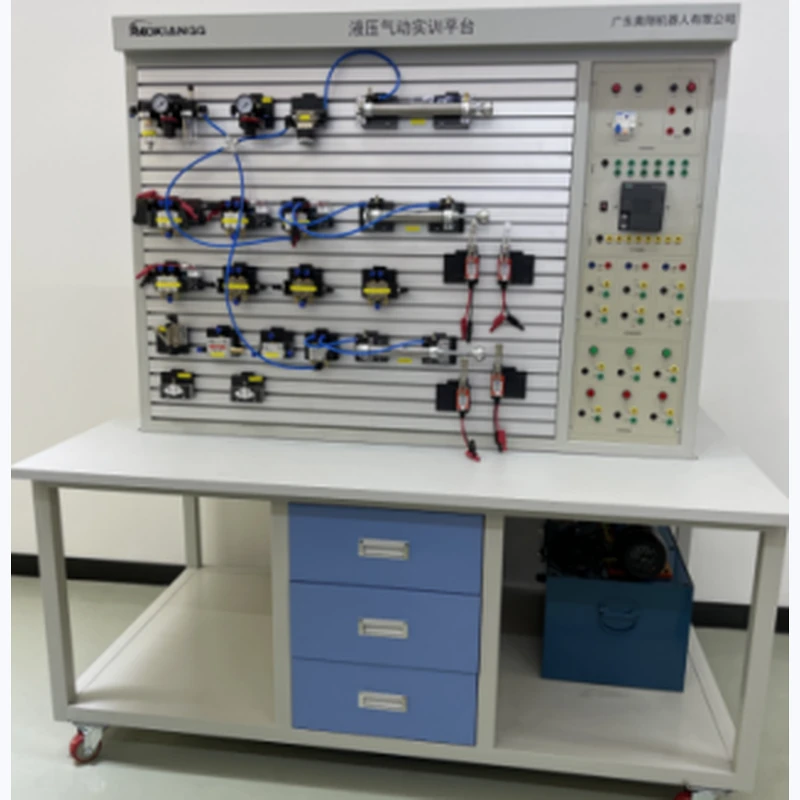
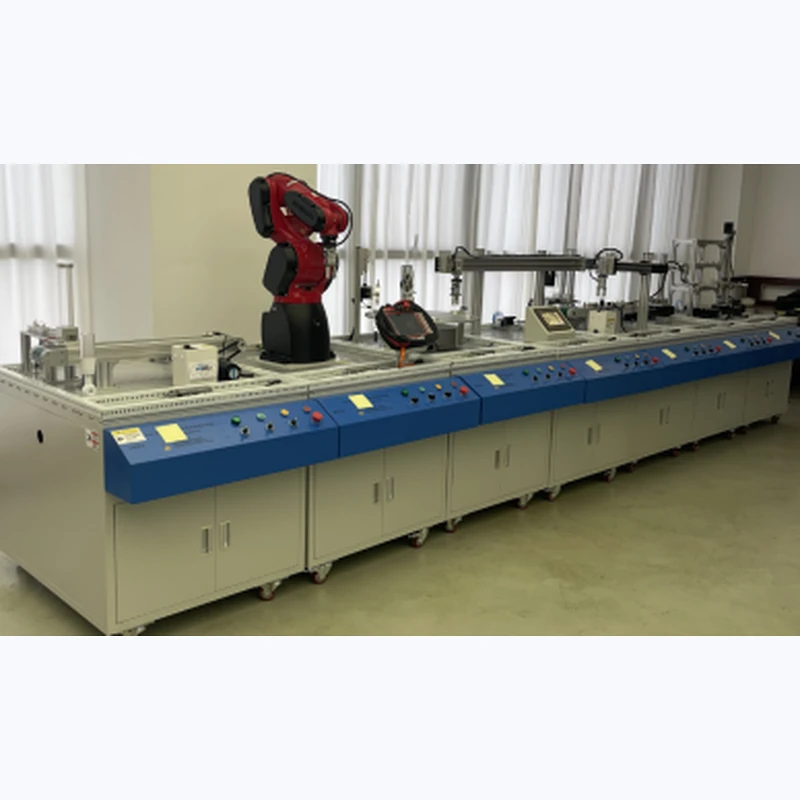
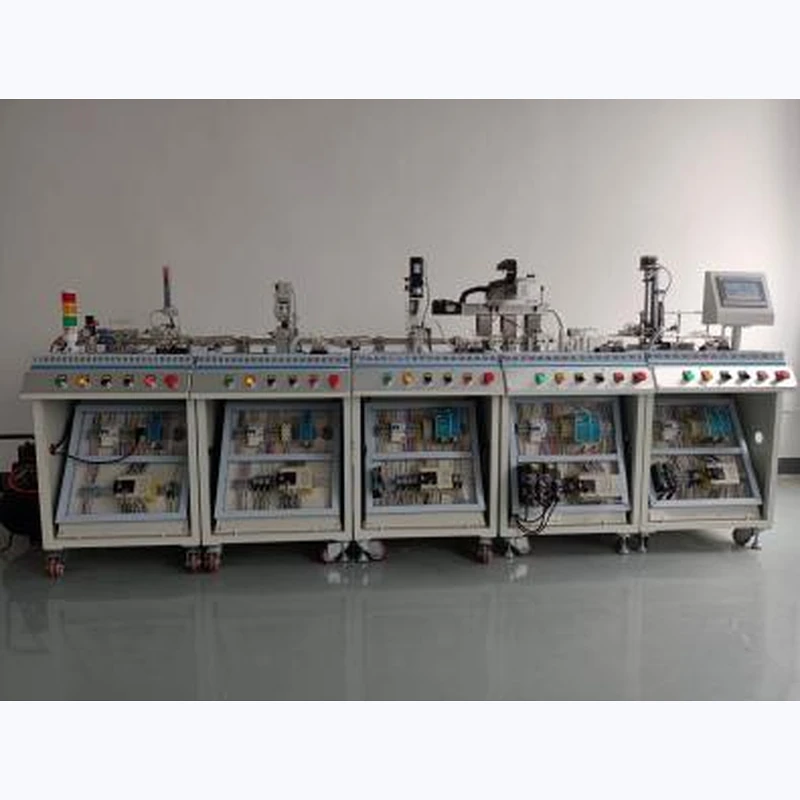
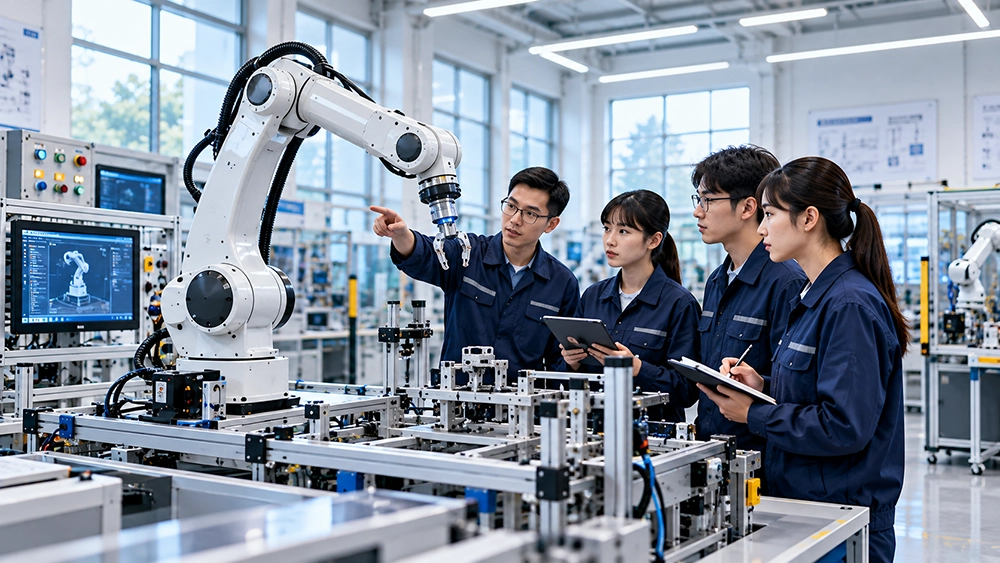
As manufacturing industries continue to adopt robotics and intelligent automation, technical education must evolve to meet changing workforce requirements. Practical training in industrial robot operation, programming, maintenance, and automated production is becoming increasingly important for vocational colleges, technical institutes, and engineering education programs.
Why Hands-On Robotics Training Matters
Industrial robotics involves more than programming a robotic arm. Students must understand mechanical structures, electrical systems, motion control, sensors, safety procedures, and the integration of automated equipment.
Hands-on training workstations allow learners to connect classroom knowledge with practical applications. Through structured exercises, students can explore robot movements, perform programming tasks, troubleshoot system faults, and understand how robotic systems operate within modern manufacturing environments.
From Basic Robotics to Integrated Production Lines
A comprehensive robotics training program can introduce students to several levels of industrial automation:
- Basic robot operation: Understanding robotic structures, coordinate systems, and motion control.
- Robot programming and maintenance: Developing practical skills in programming, assembly, inspection, and troubleshooting.
- Integrated automation systems: Combining industrial robots with PLC controllers, sensors, conveyors, and production equipment.
- Intelligent sorting and material handling: Exploring automated pick-and-place operations, vision inspection, and coordinated production processes.
This progressive approach helps students build practical skills while understanding how individual technologies work together.
Preparing Students for Smart Manufacturing
Modern production facilities increasingly depend on interconnected automation systems. Industrial robotics training therefore benefits from including not only individual robot exercises but also complete production workflows.
Students can learn how to coordinate multiple devices, identify operating faults, improve process efficiency, and understand the relationship between automation software and physical equipment.
FORCHIP Industrial Robotics Training Solutions
FORCHIP provides industrial robotics and automated production line training equipment for educational and technical training applications.
Our training solutions cover basic robotic workstations, multifunctional robot platforms, integrated automation systems, and intelligent sorting equipment.
By combining theoretical learning with practical experimentation, these systems help institutions develop training environments aligned with modern industrial automation technologies.
Explore our Auto Production Line Training Equipment to discover suitable solutions for your training laboratory.
