
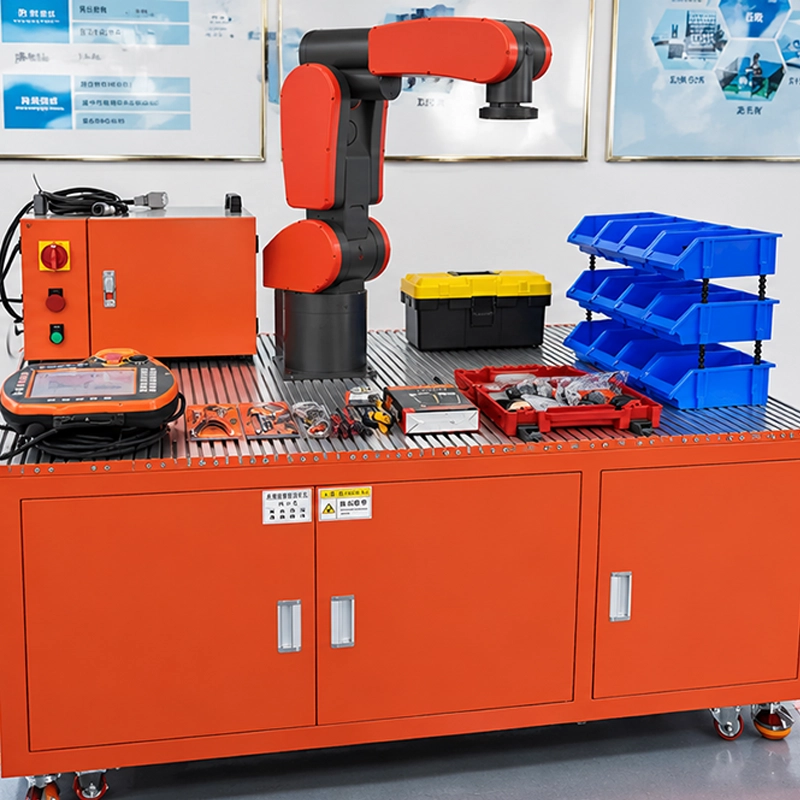
 B065 Educational Robot Disassembly & Assembly Training Workbench
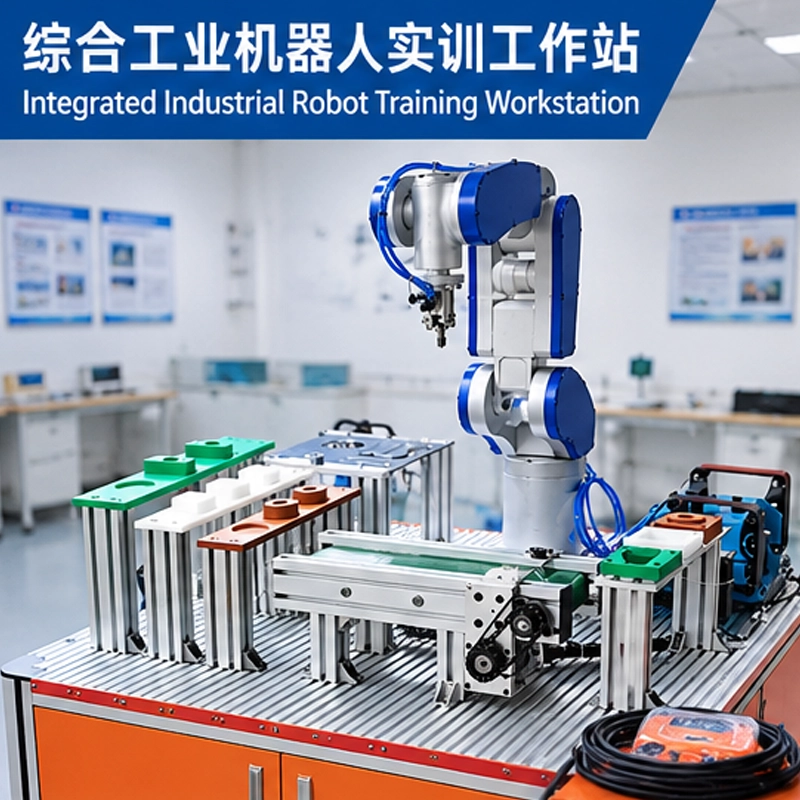 Integrated Industrial Robot Training Workstation
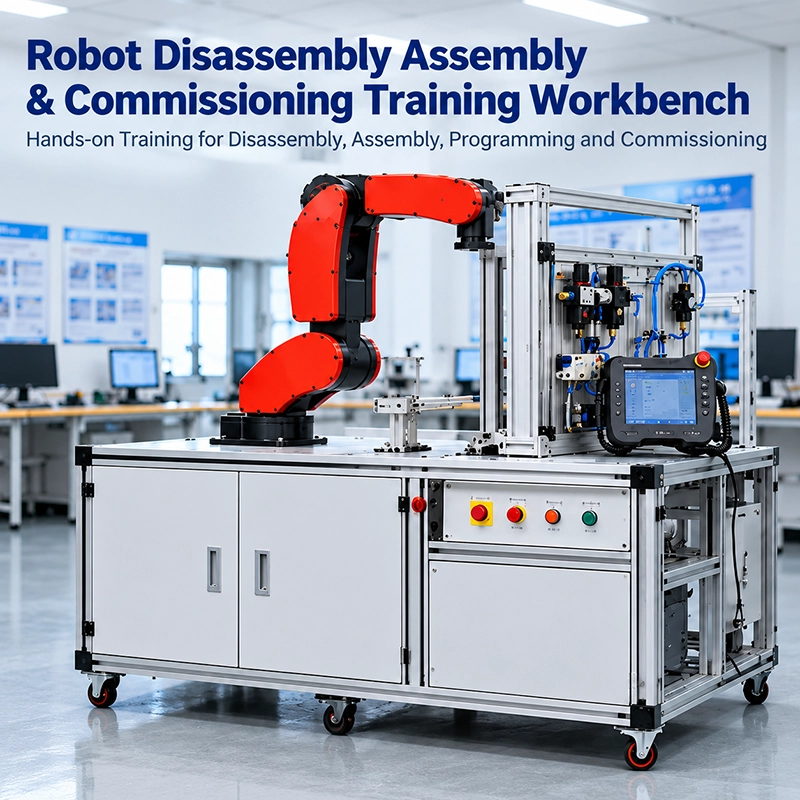 Robot Disassembly, Assembly & Commissioning Training Workbench
 Industrial Robot Special-Shaped Pin Insertion Training Workstation
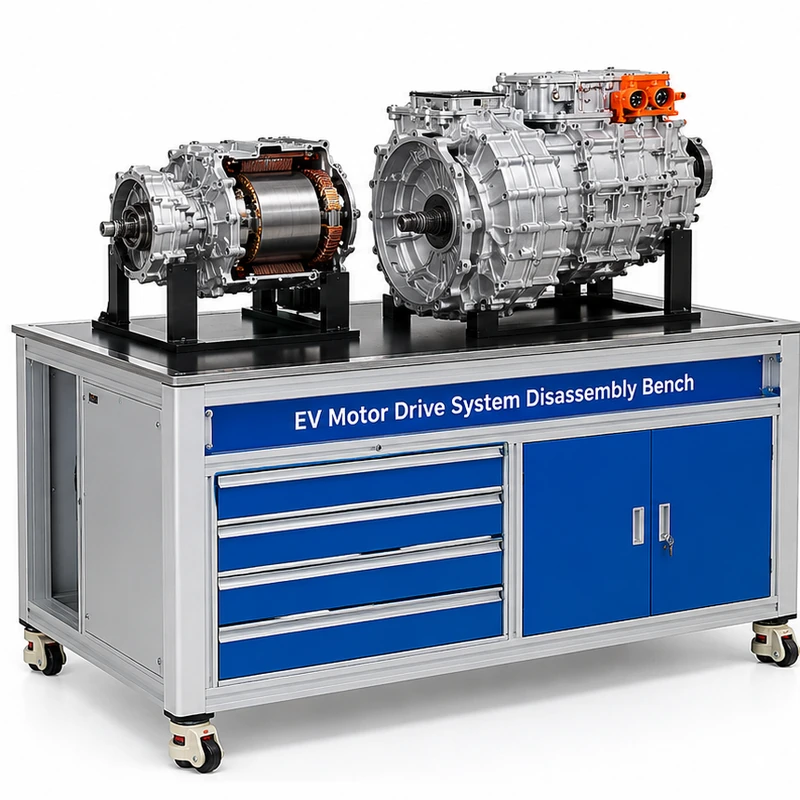 EV Motor Drive System Disassembly Bench
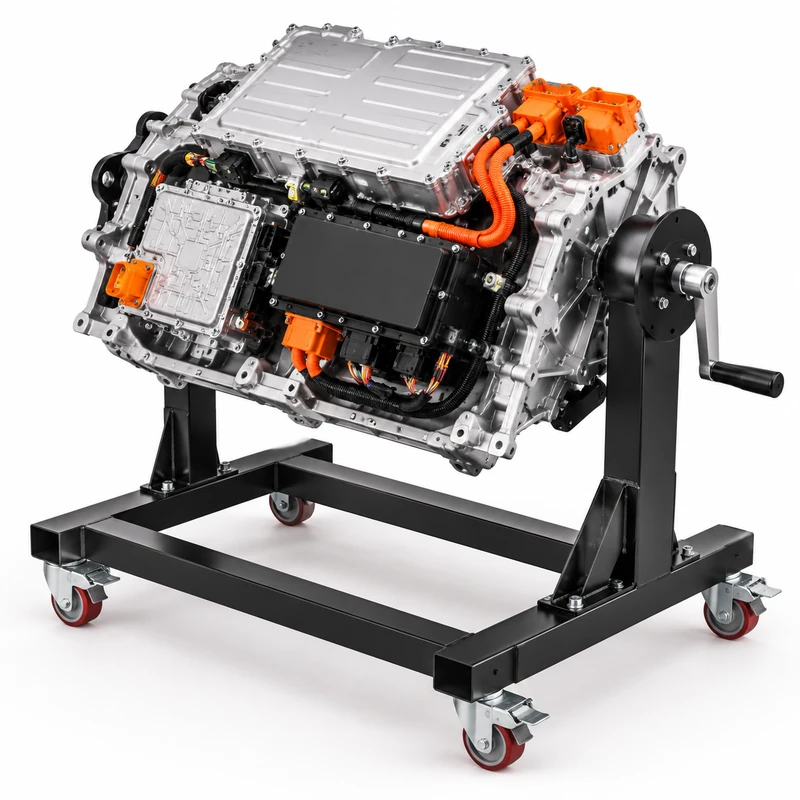 EV Electronic Control System Disassembly Bench
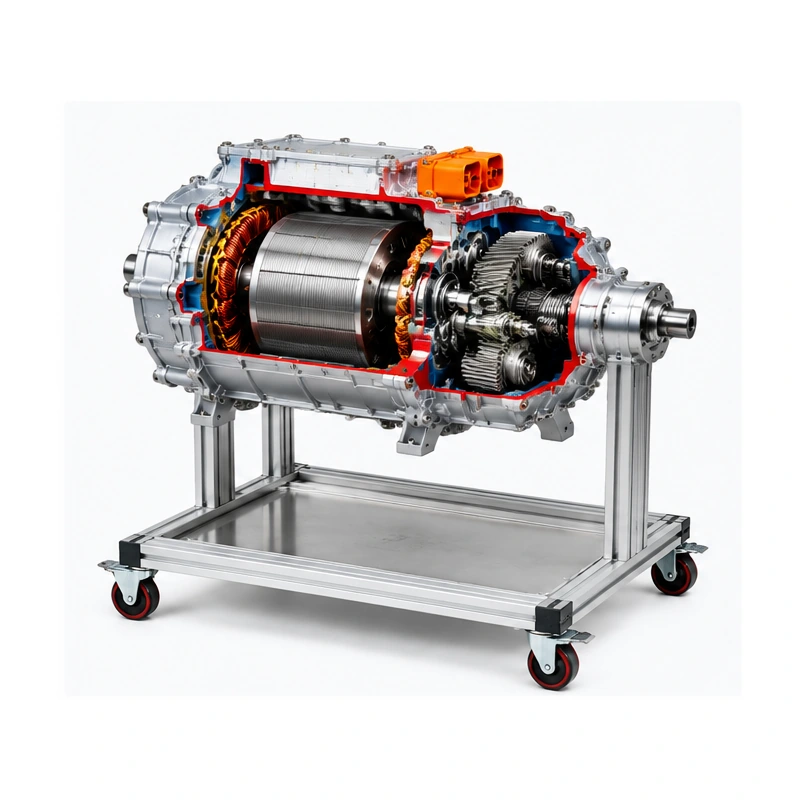 EV Drive Motor Cutaway Training Bench
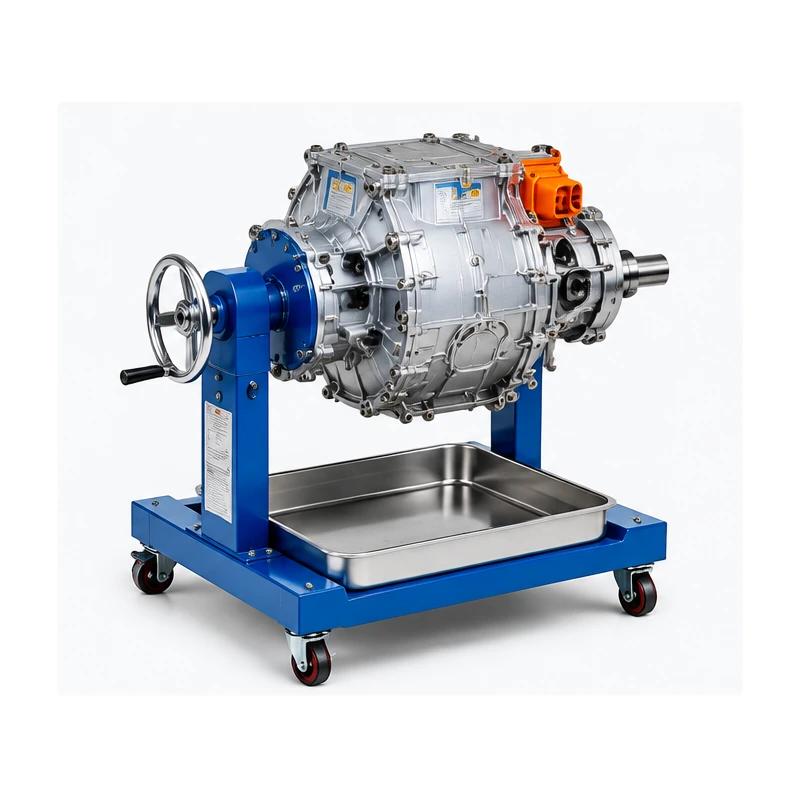 Powertrain Inspection Training Bench
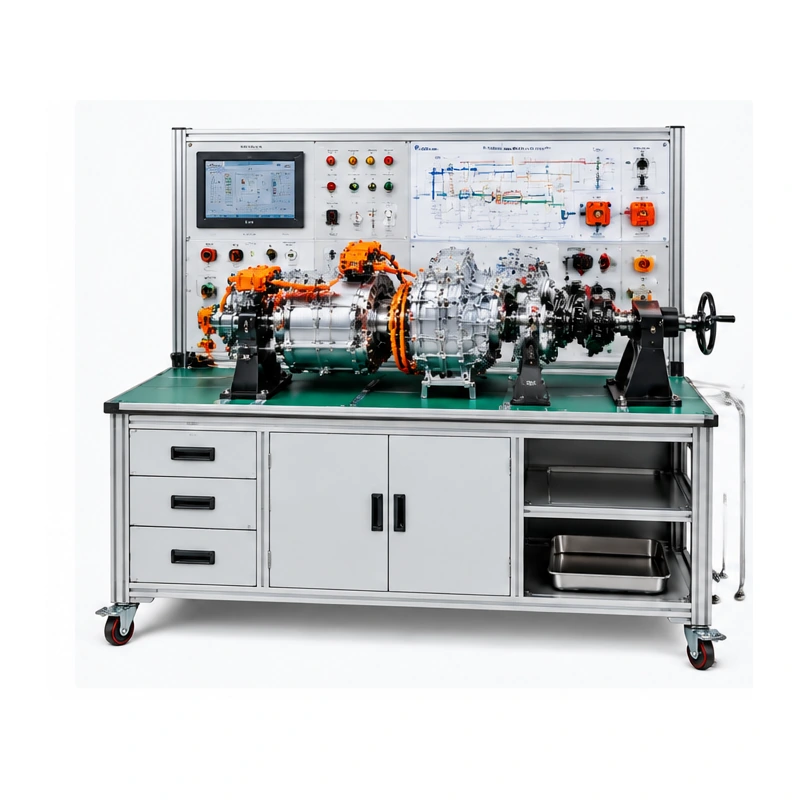 Drive Motor Maintenance Training Bench
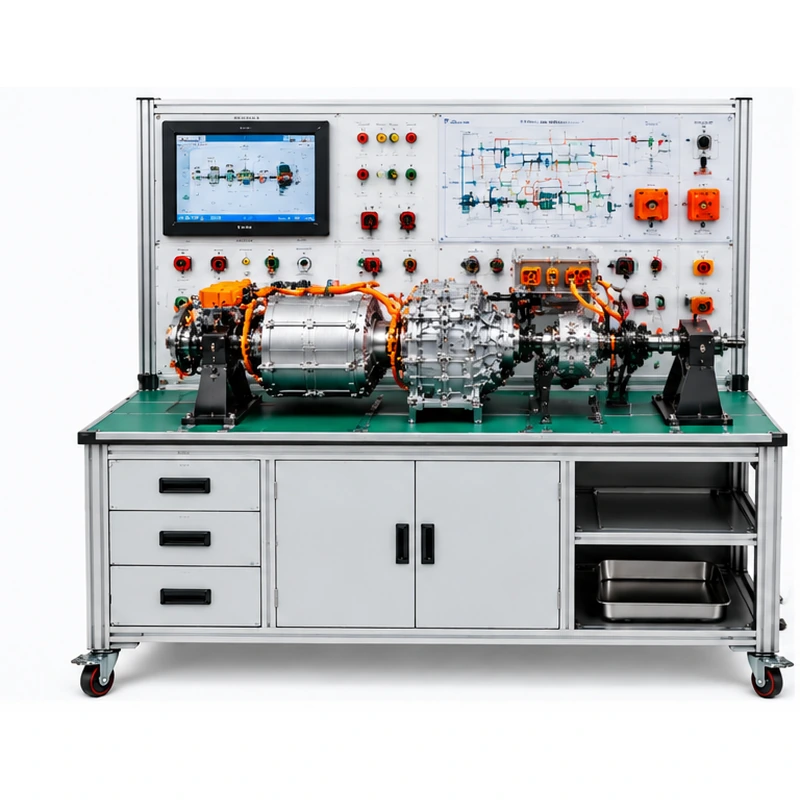 Powertrain Controller Maintenance Training Bench
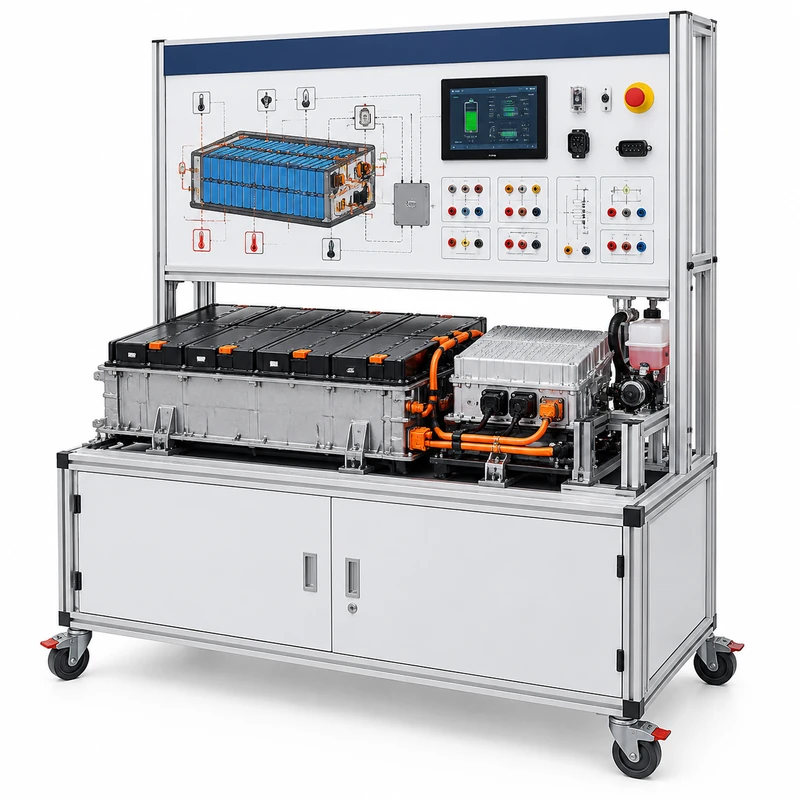 EV Battery Management System Training Bench
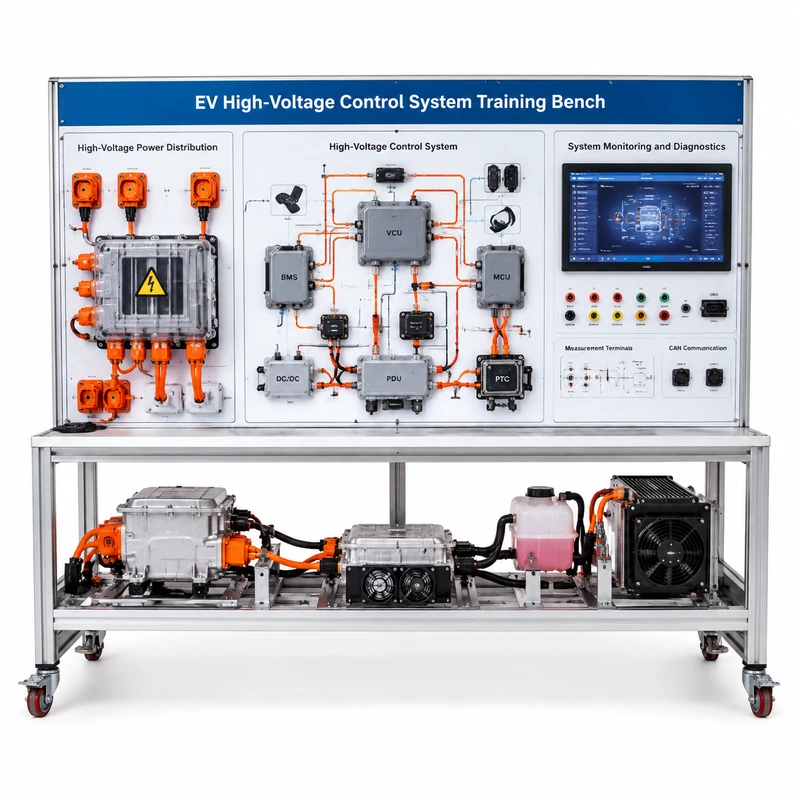 EV High-Voltage Control System Training Bench
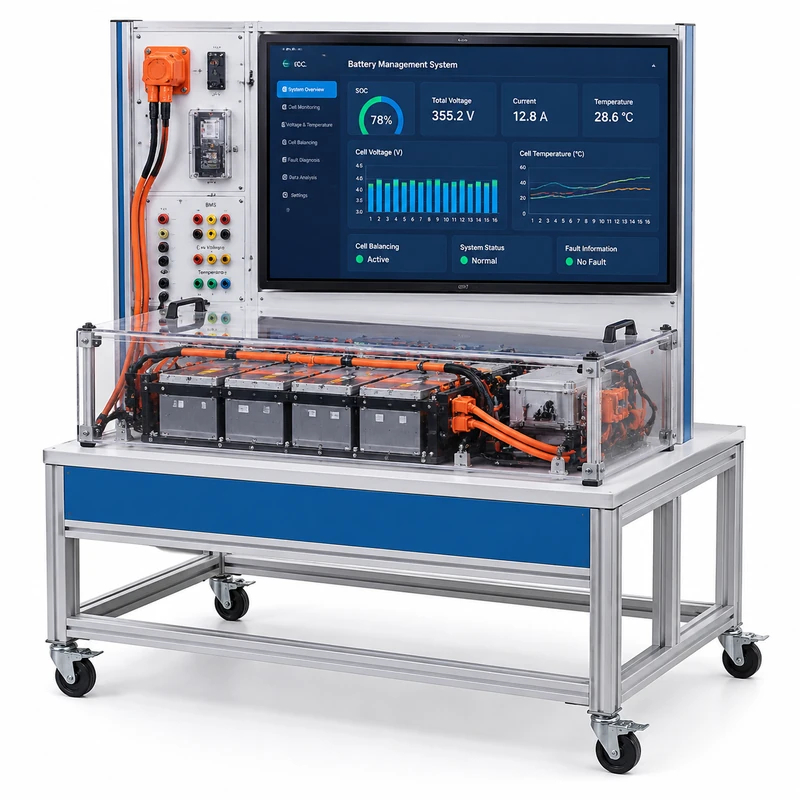 Interactive Battery Management Training Bench
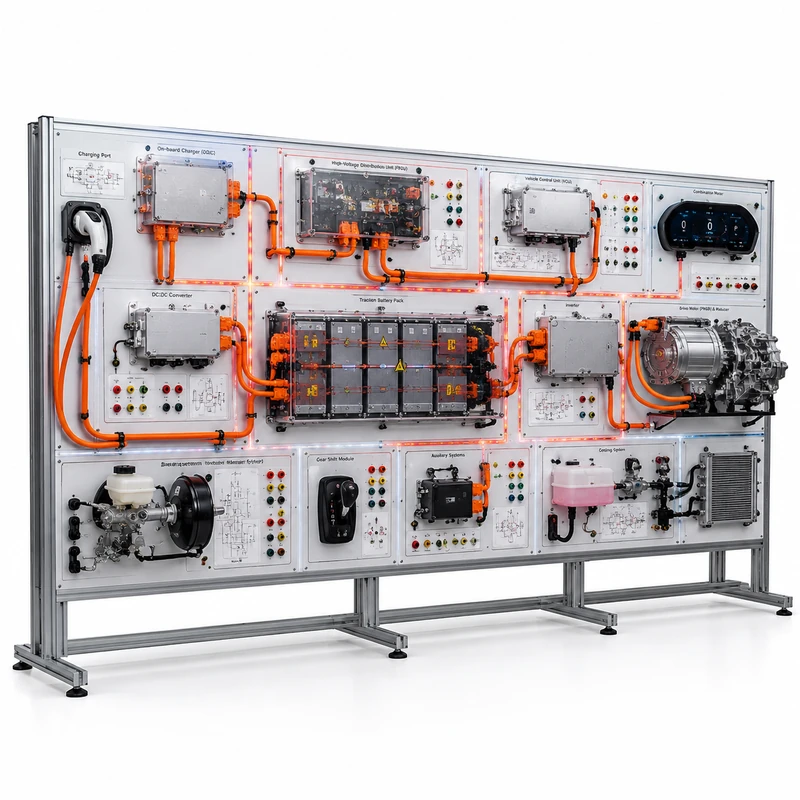 Complete EV High-Voltage System Wall Trainer
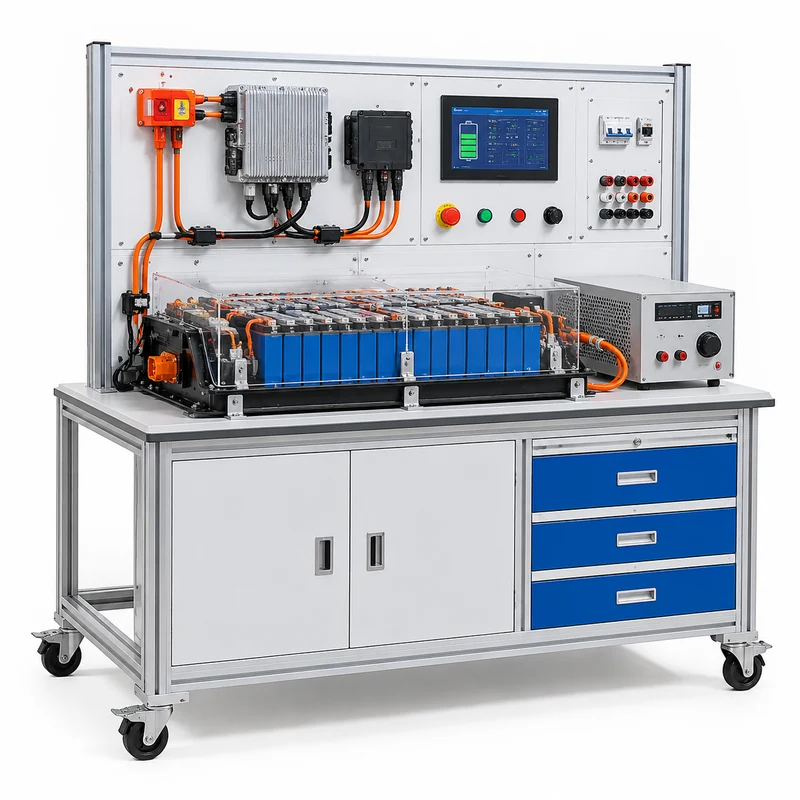 Traction Battery Assembly & Testing Workstation
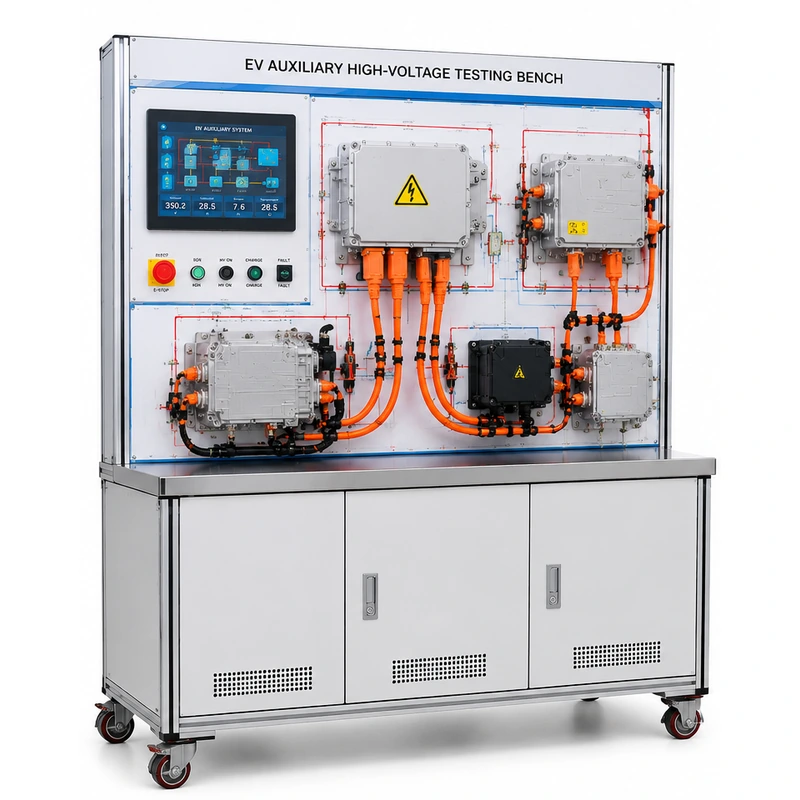 EV Auxiliary High-Voltage Testing Bench
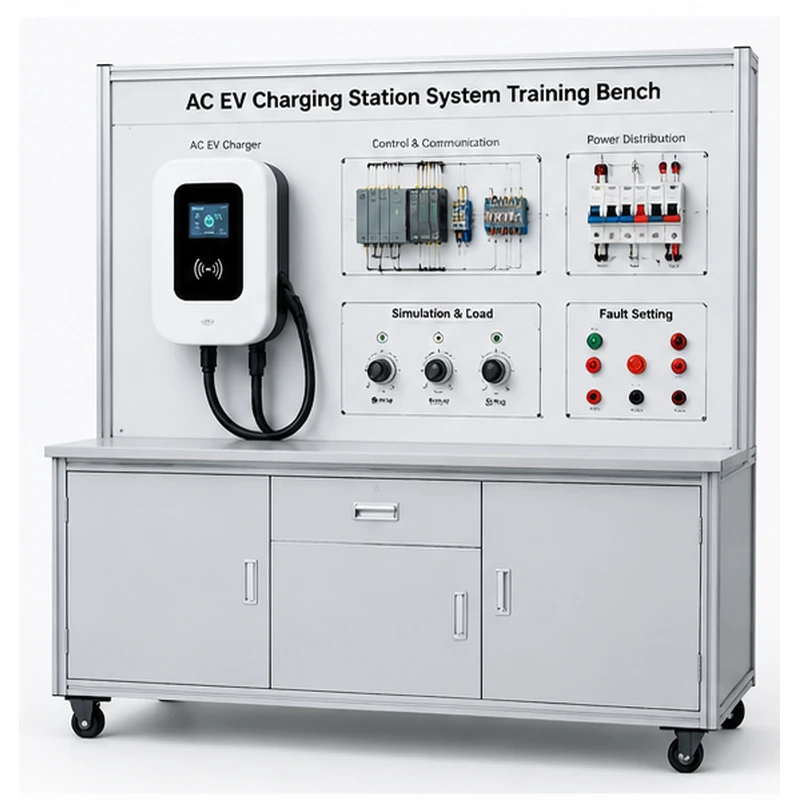 AC EV Charging Station System Training Bench
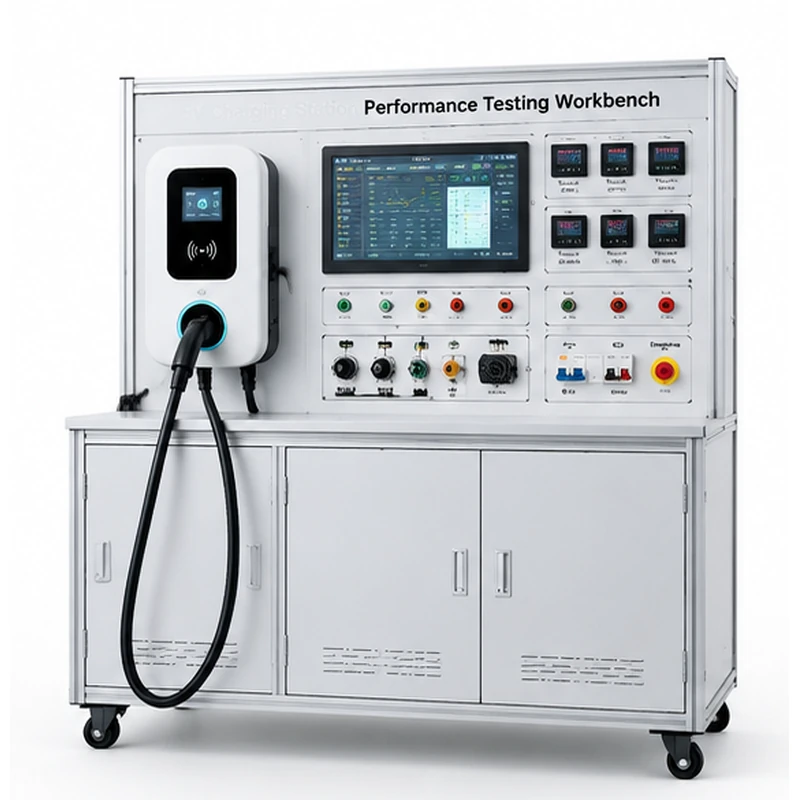 EV Charging Station Performance Testing Workbench
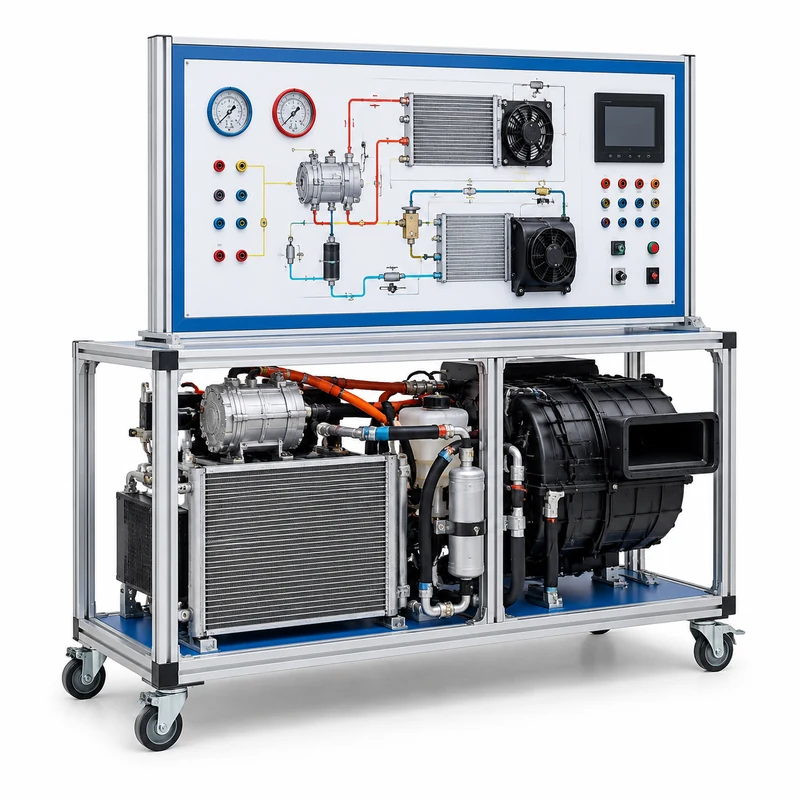 EV Air Conditioning System Training Bench
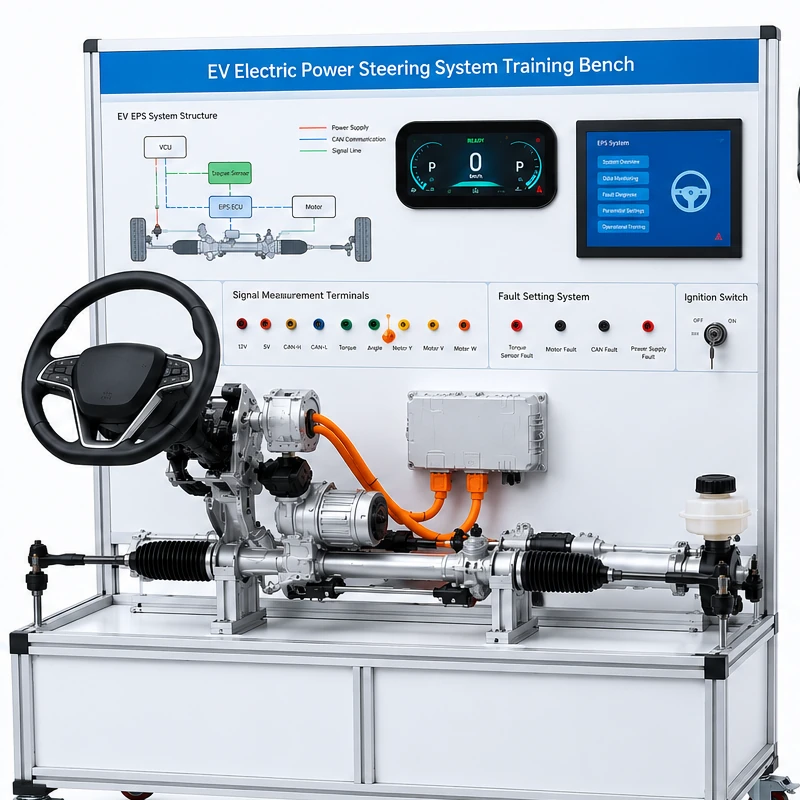 EV Electric Power Steering System Training Bench
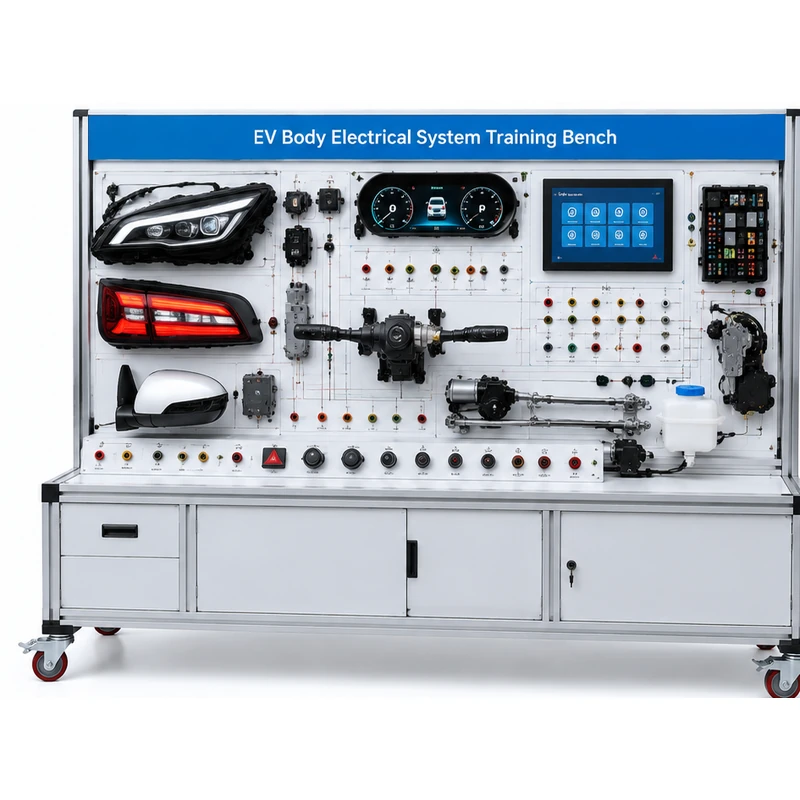 EV Body Electrical System Training Bench
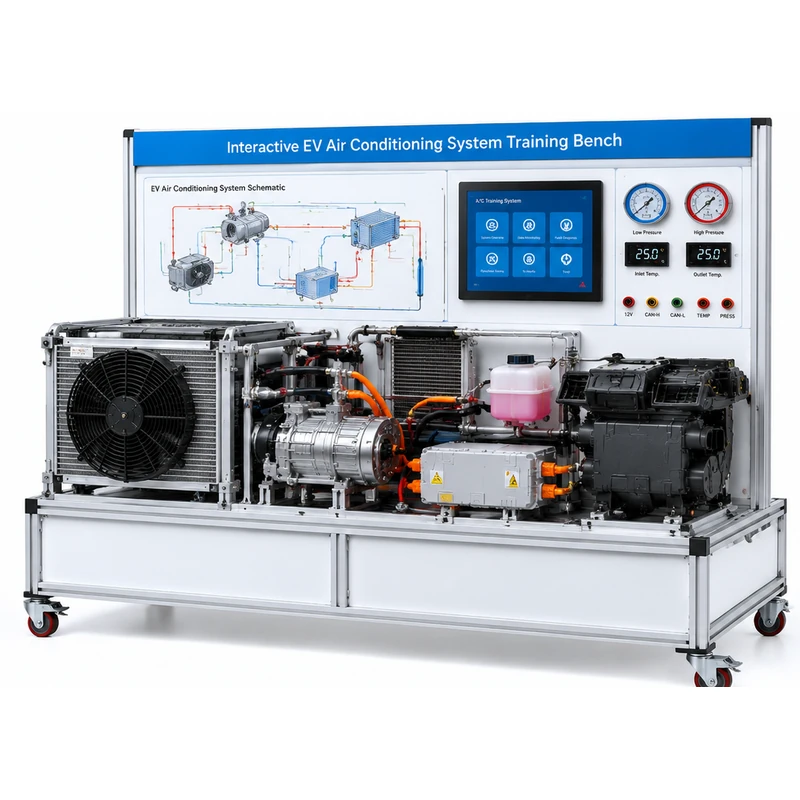 Interactive EV Air Conditioning System Training Bench
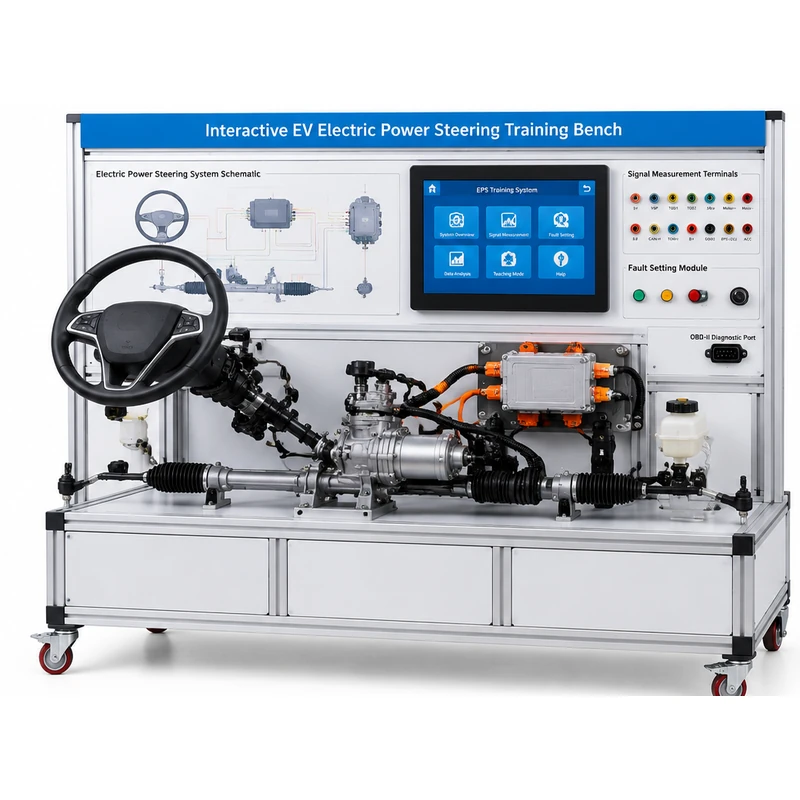 Interactive EV Electric Power Steering Training Bench
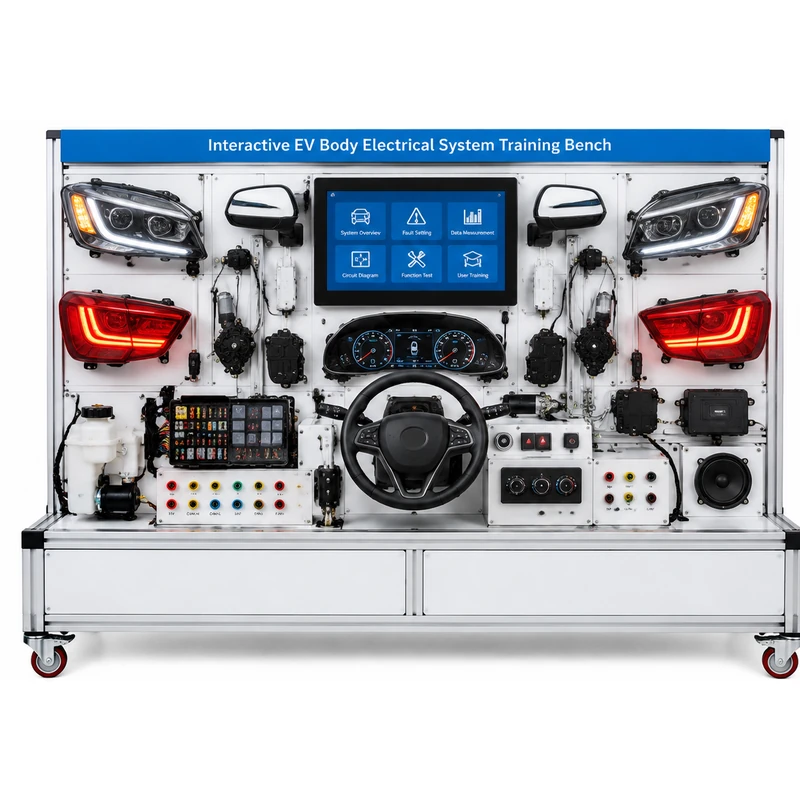 Interactive EV Body Electrical System Training Bench
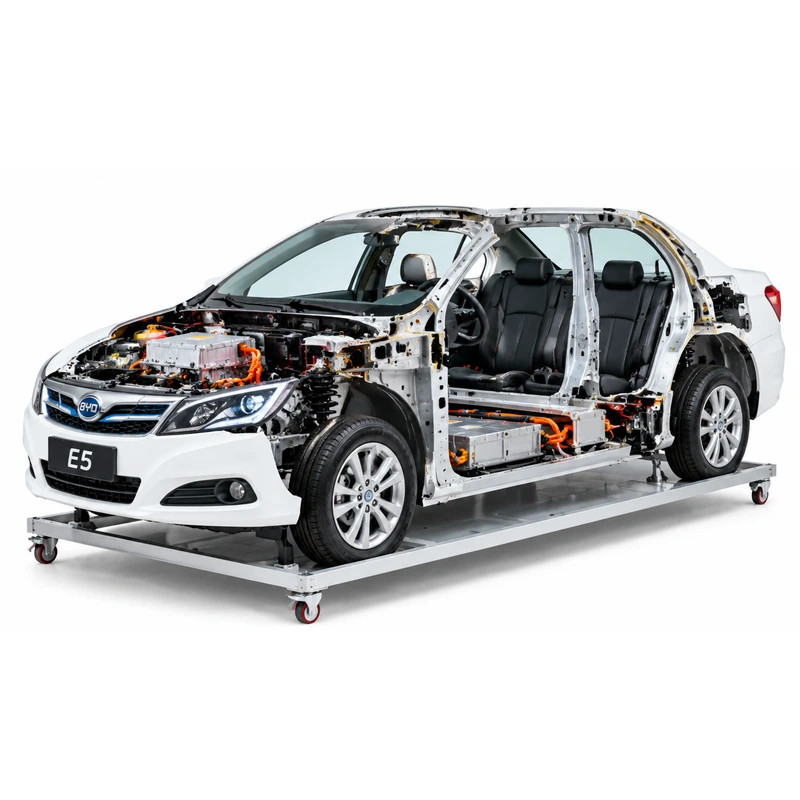 BYD E5 Cutaway EV Structure Training Vehicle
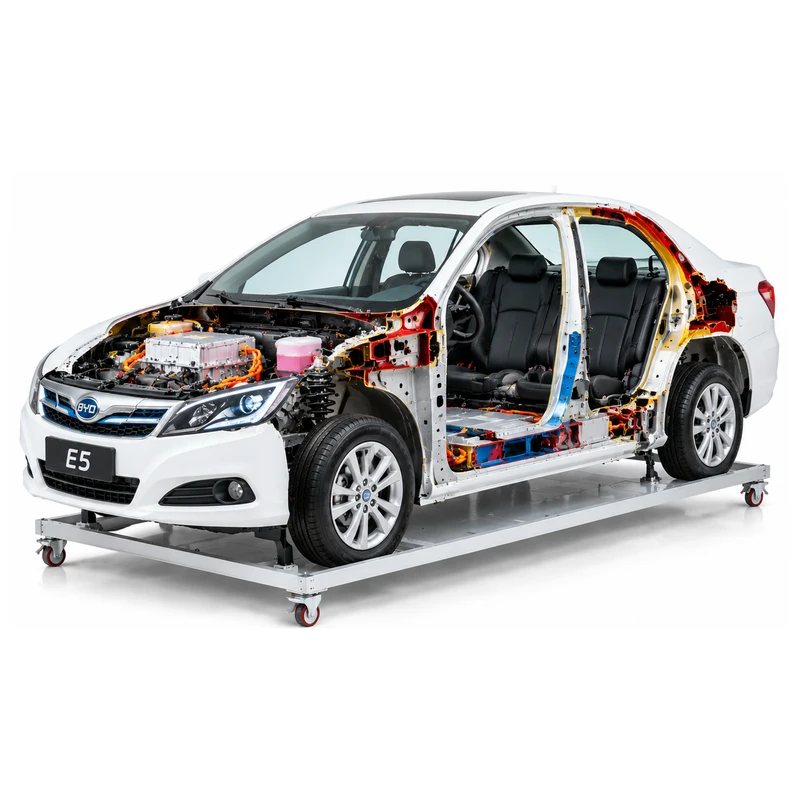 BYD E5 Light-Cutaway Electric Vehicle Trainer
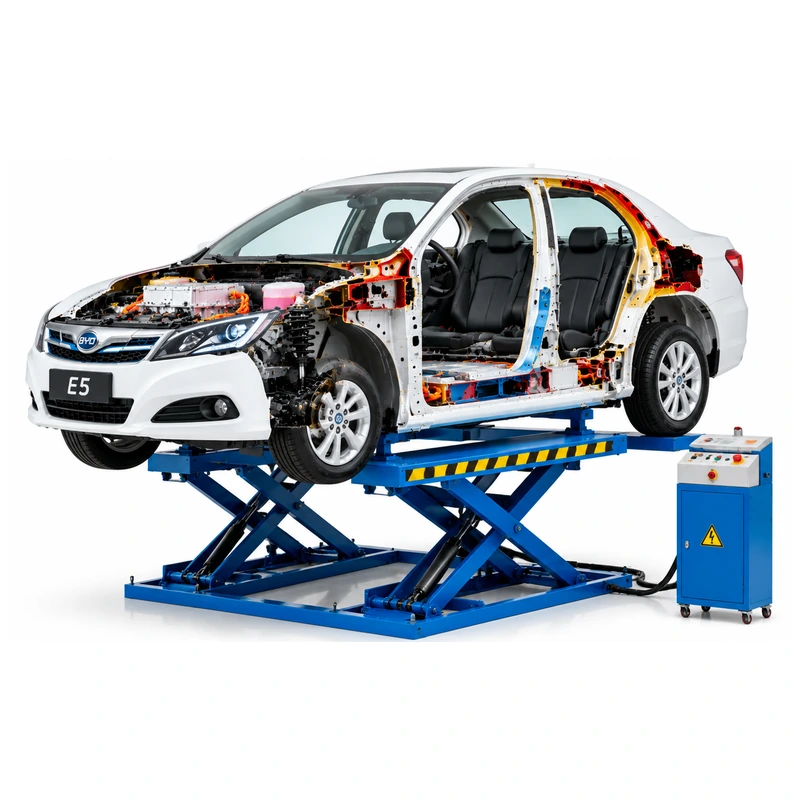 BYD E5 Cutaway Lifting Training Vehicle
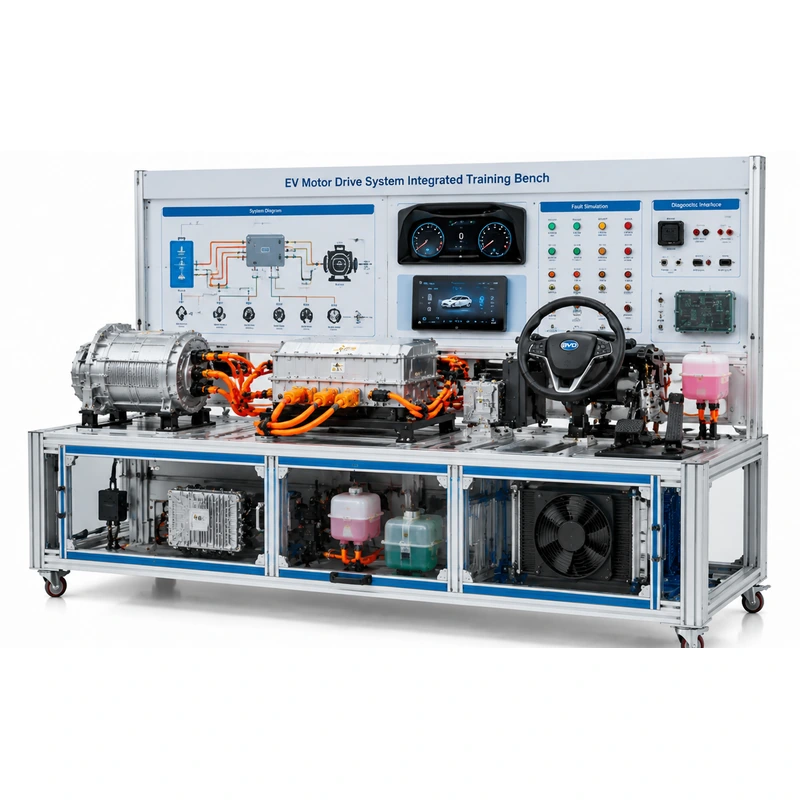 EV Motor Drive System Integrated Training Bench
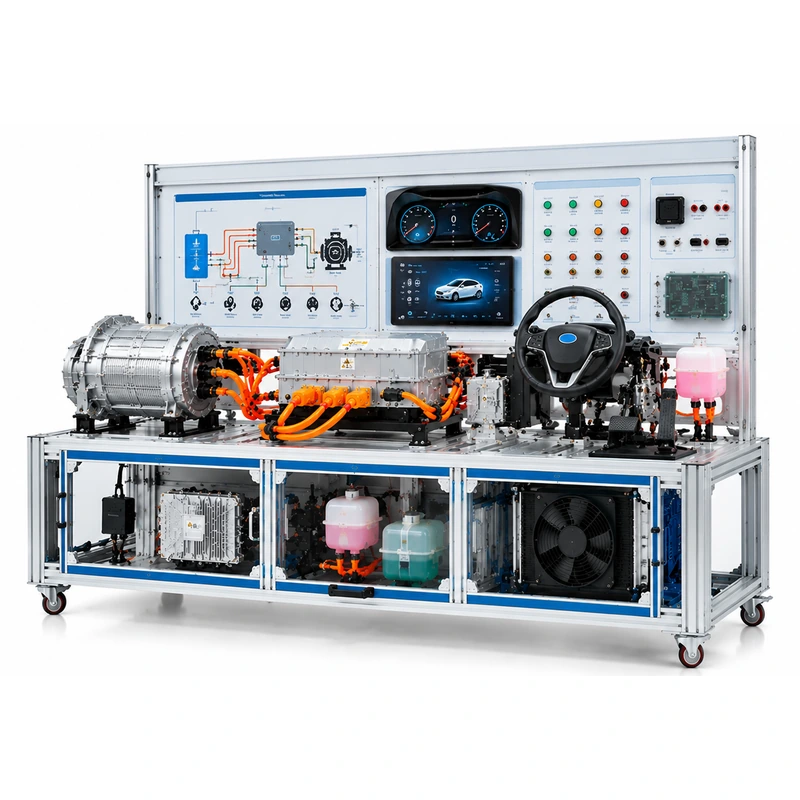 Interactive EV Motor Drive System Training Bench
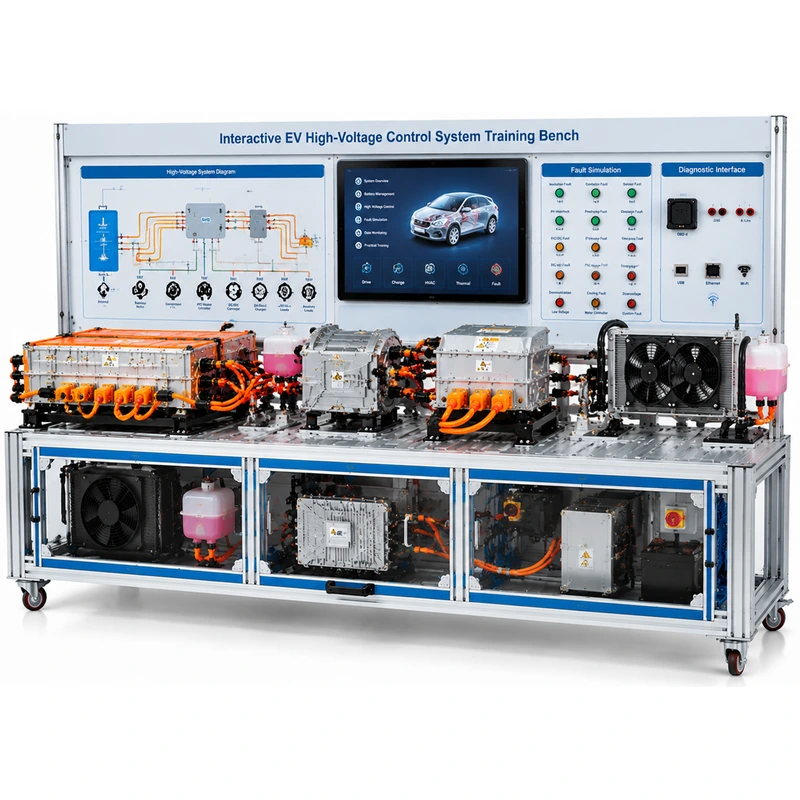 Interactive EV High-Voltage Control System Training Bench
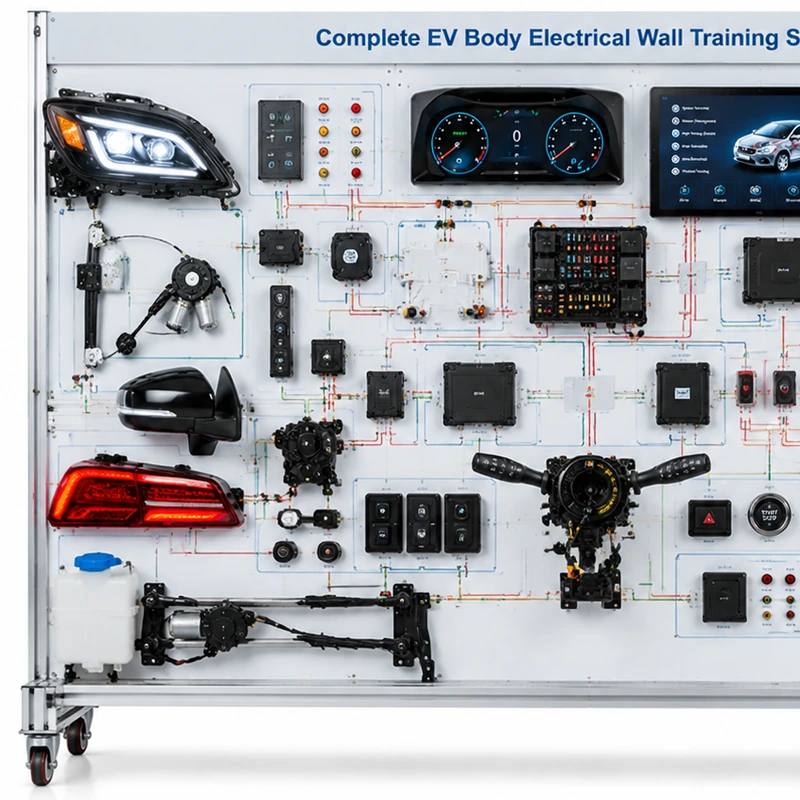 Complete EV Body Electrical Wall Training System
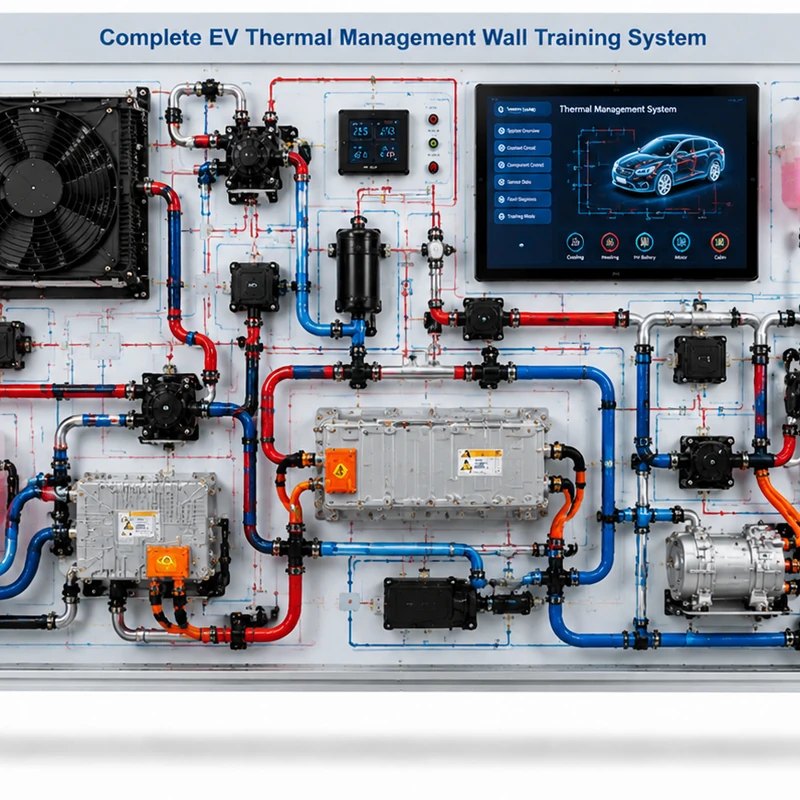 Complete EV Thermal Management Wall Training System
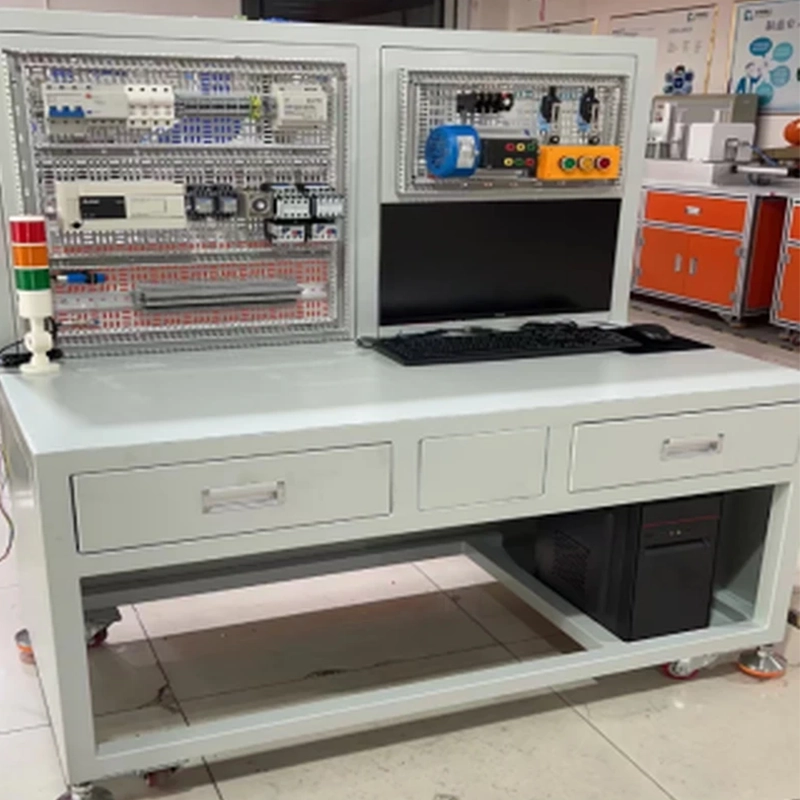
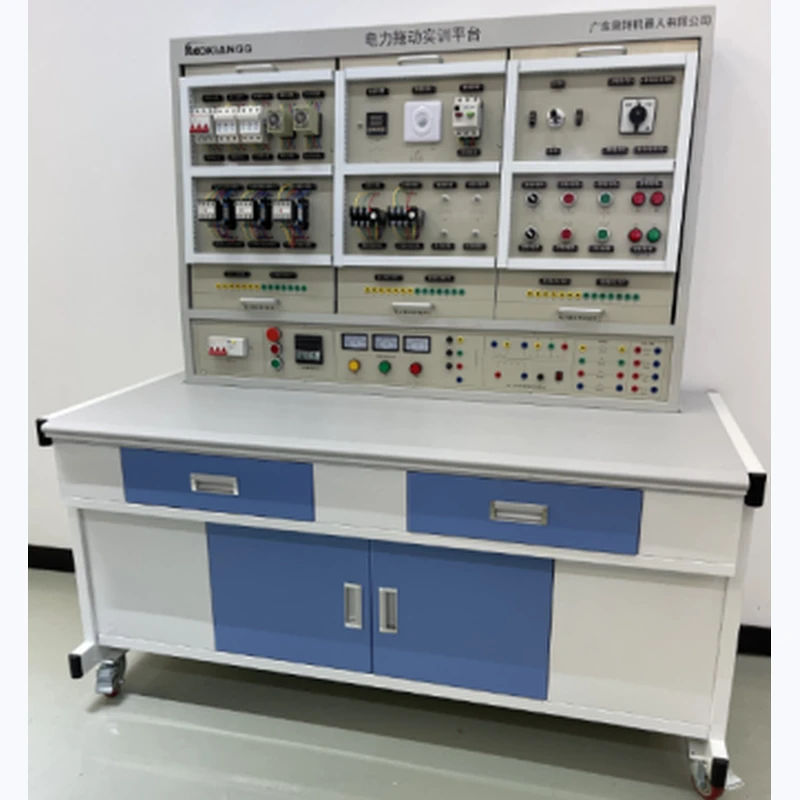
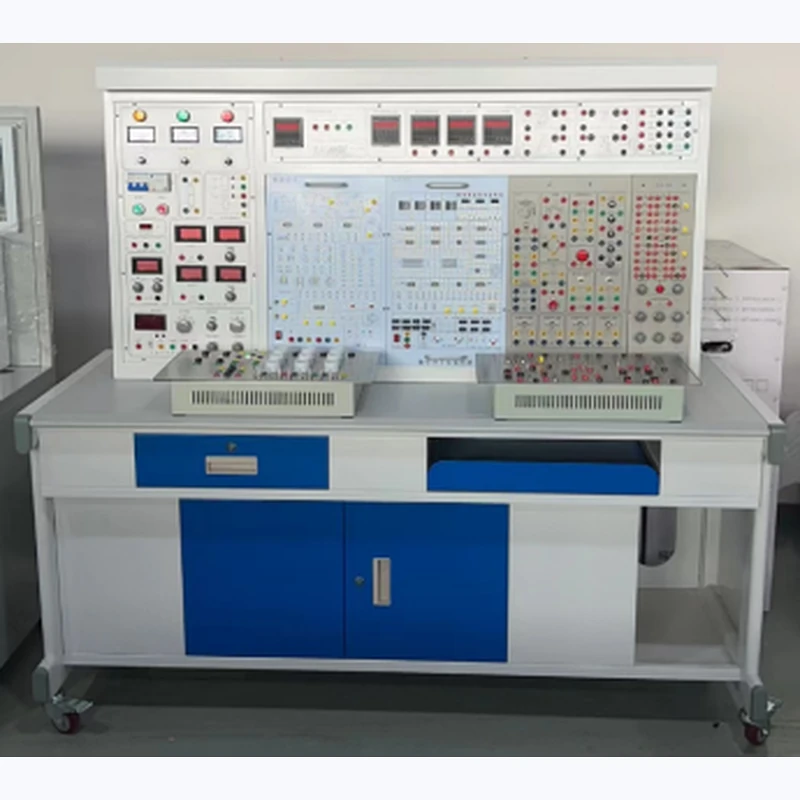
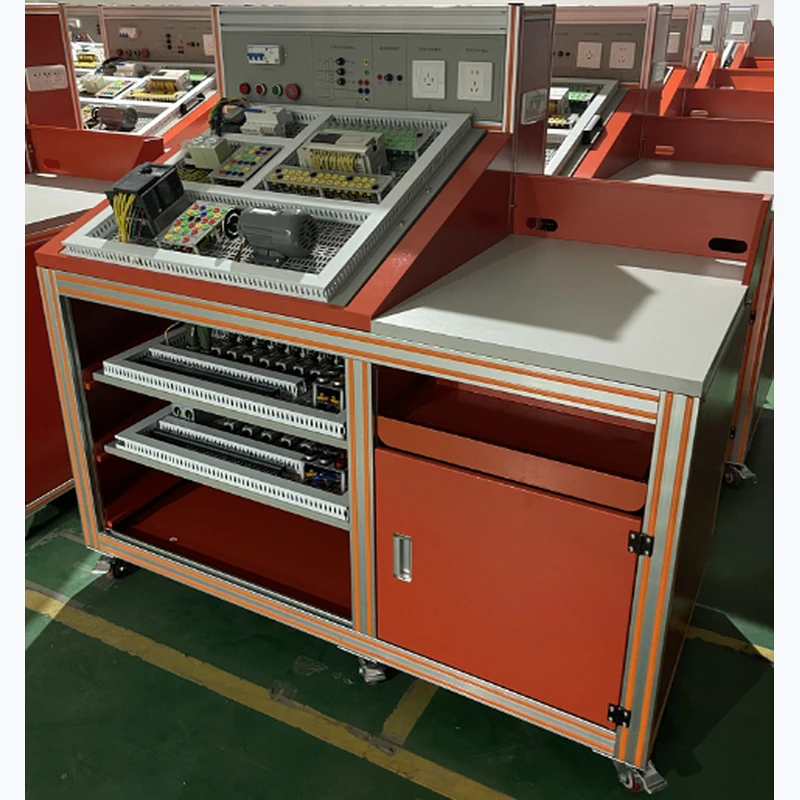
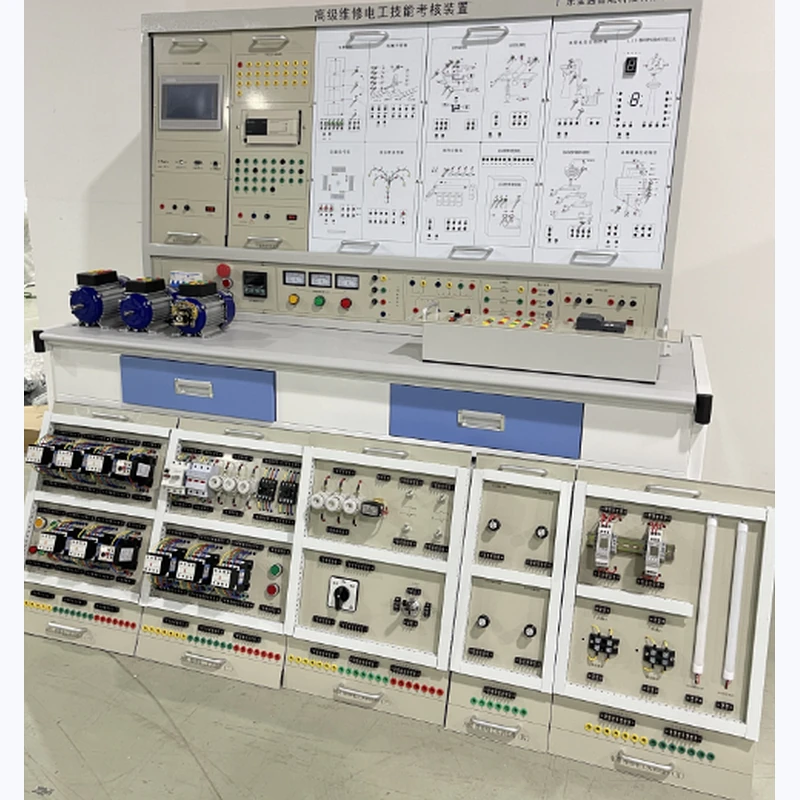
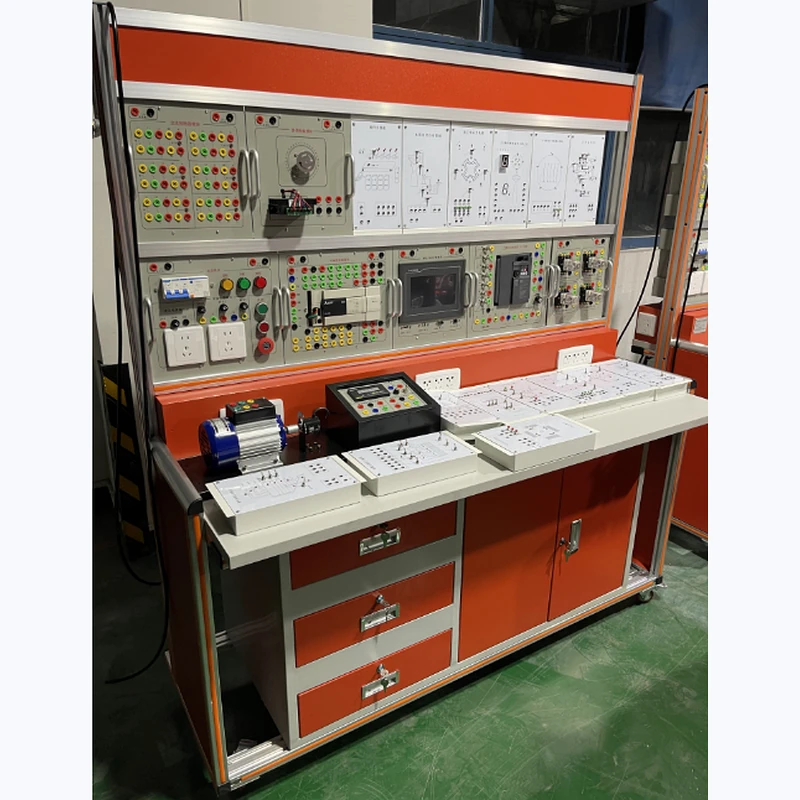
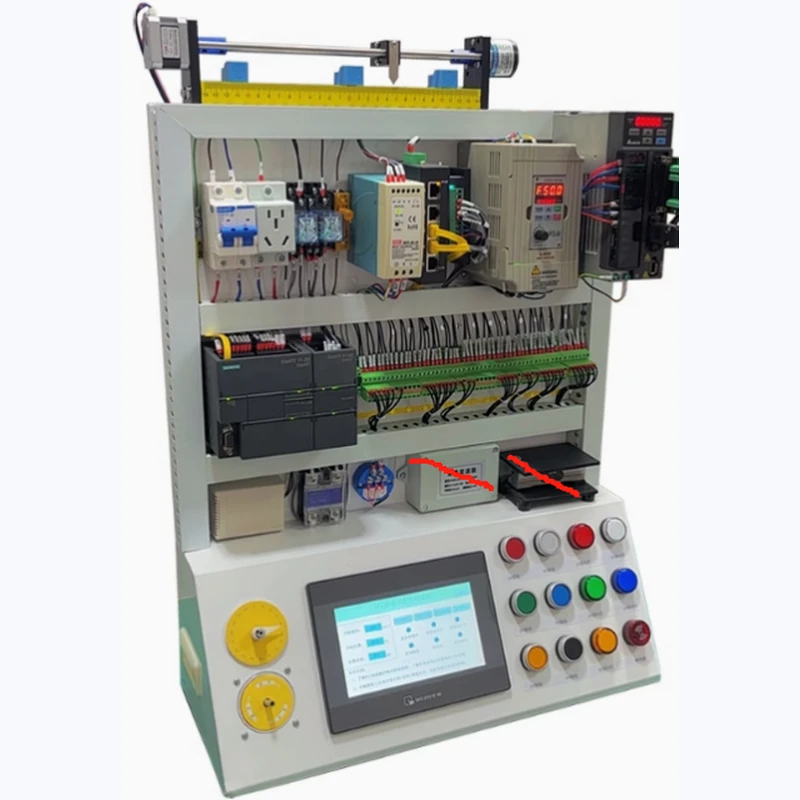
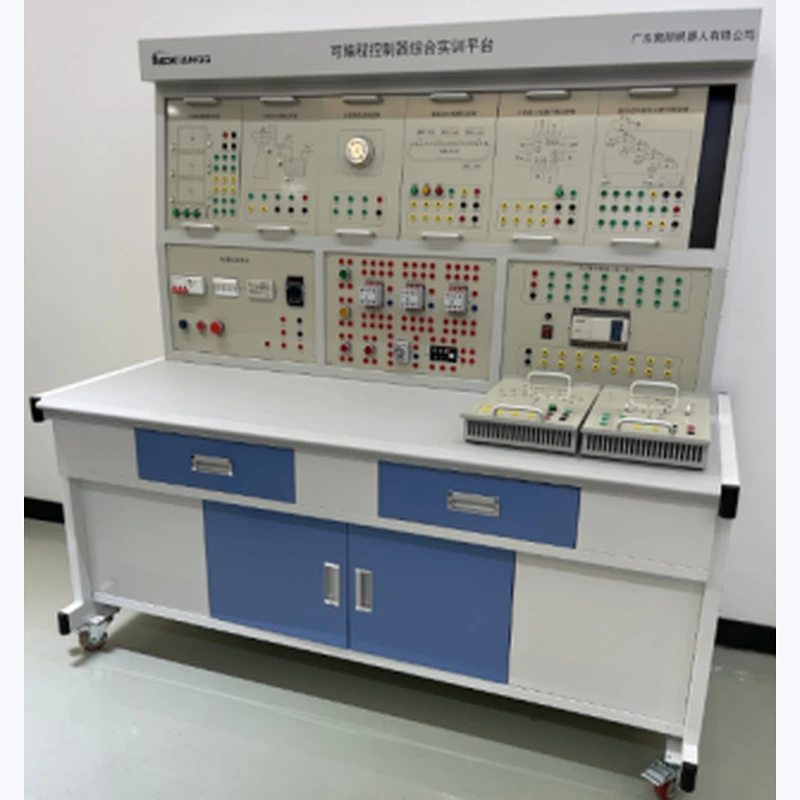
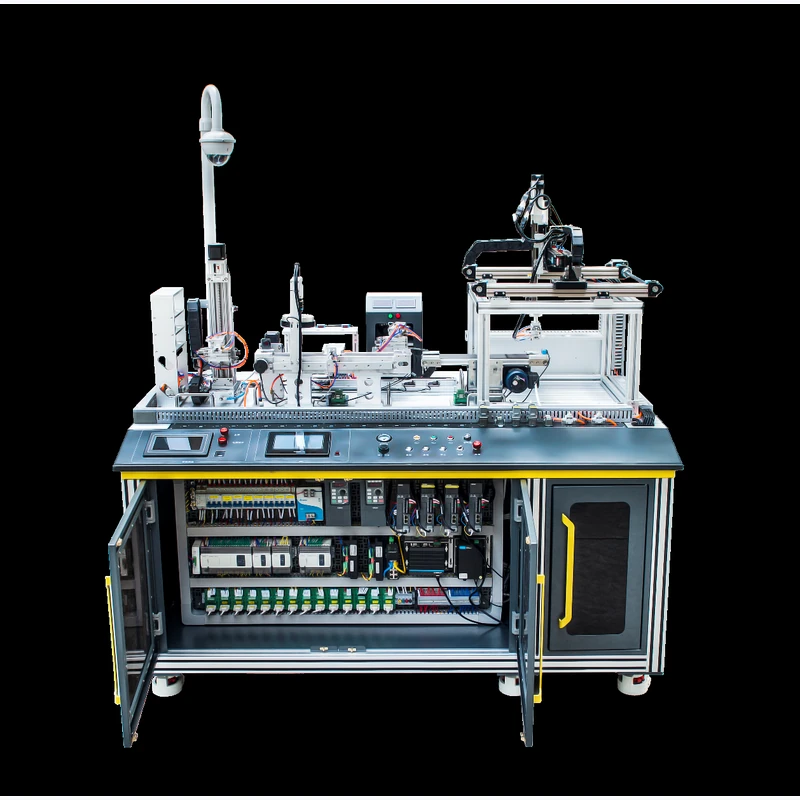
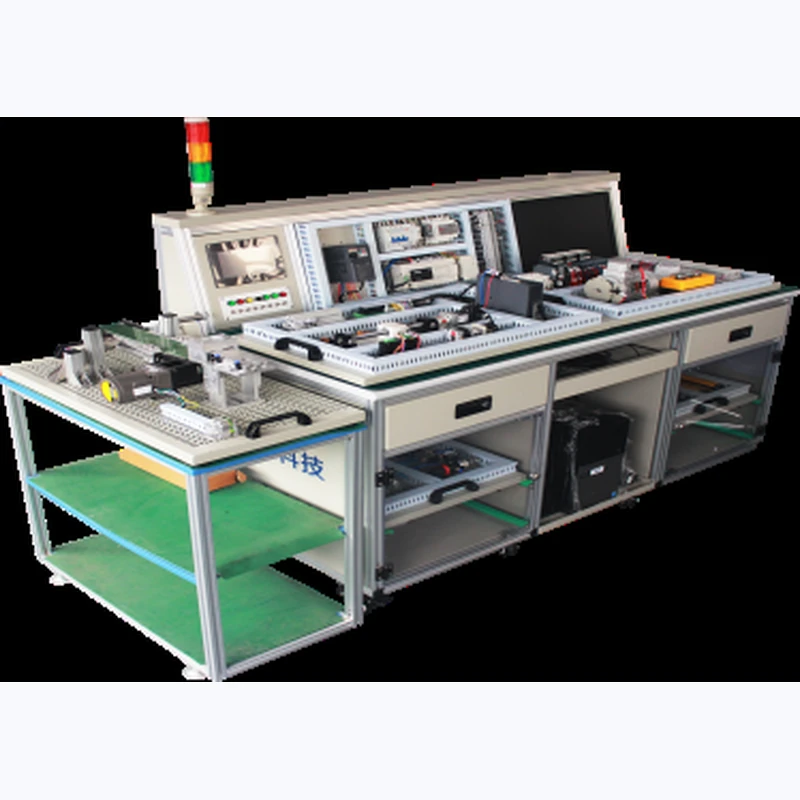
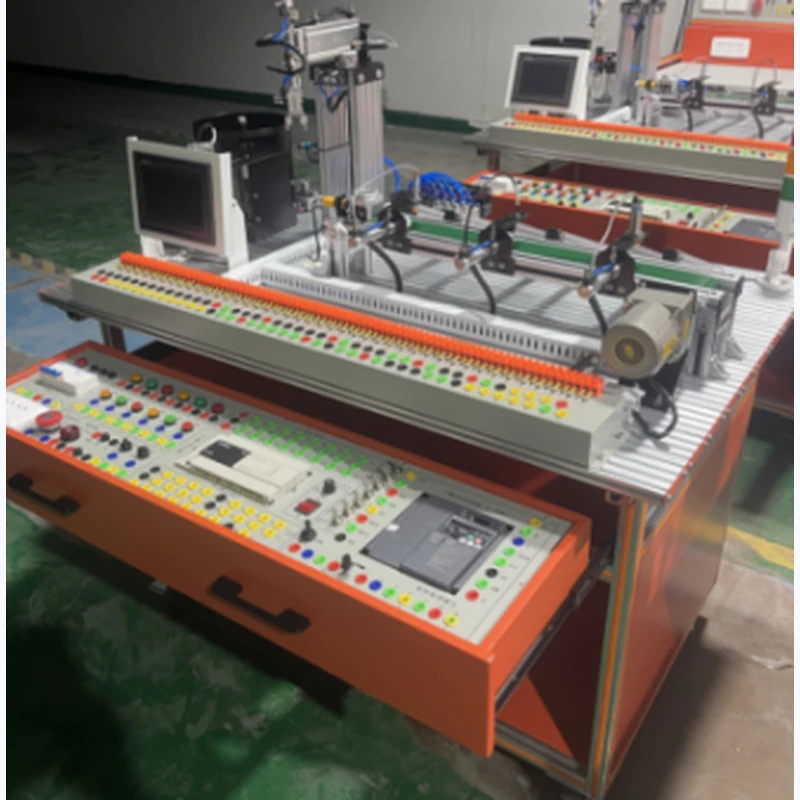
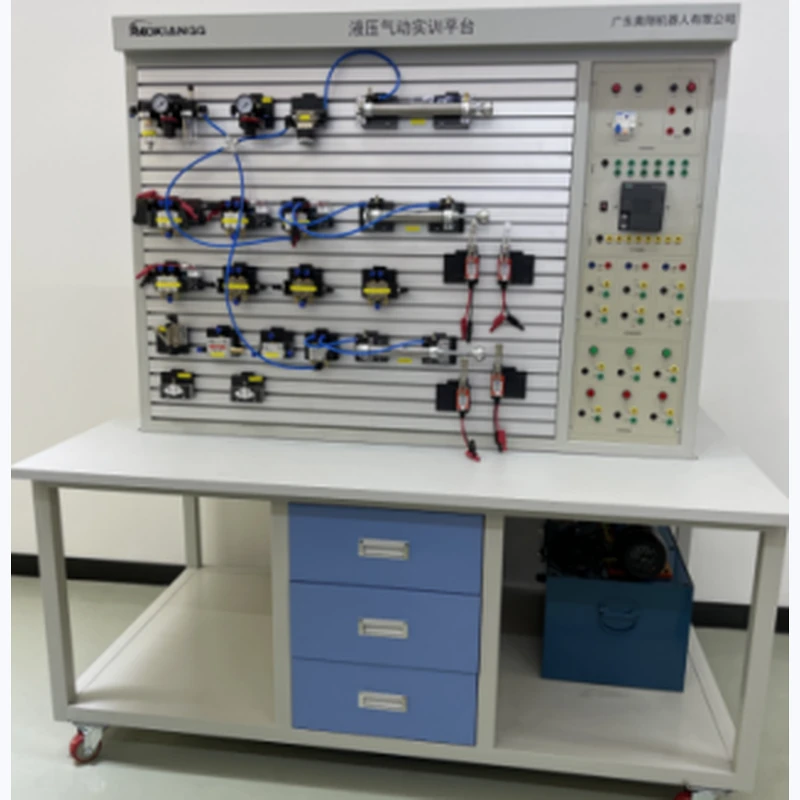
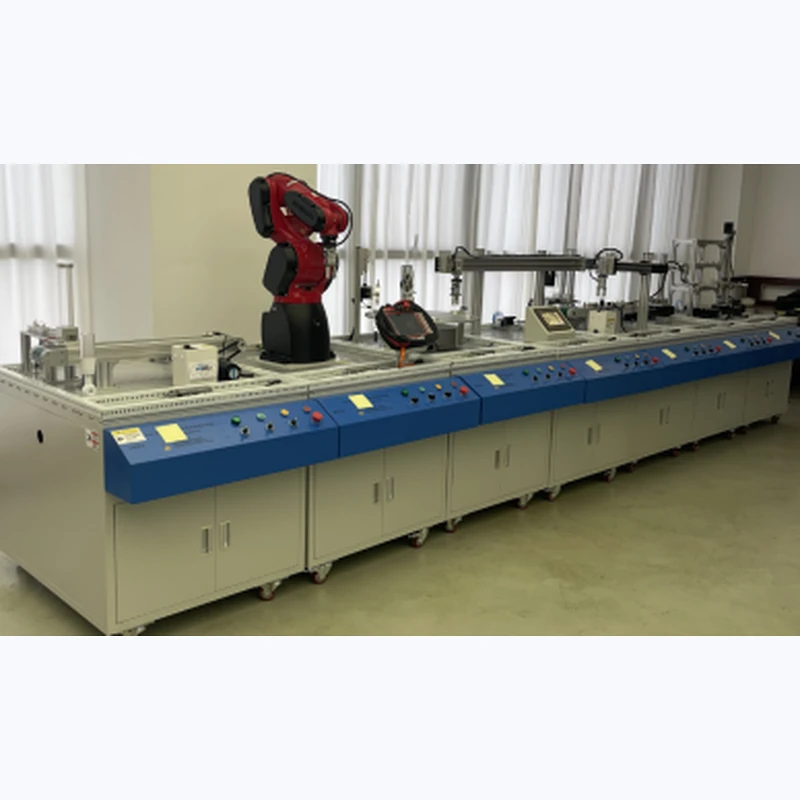
Programmable Logic Controllers (PLCs) are essential components of modern industrial automation systems. They are widely used to control machinery, production lines, material handling systems, and automated manufacturing processes.
As industries continue to adopt intelligent manufacturing technologies, practical PLC and electrical automation skills remain important for technicians, engineers, and industrial maintenance professionals.
Why PLC Training Is Important
PLC training provides a foundation for understanding industrial control systems.
Students learn how programmable controllers receive signals from sensors, process control logic, and operate connected equipment.
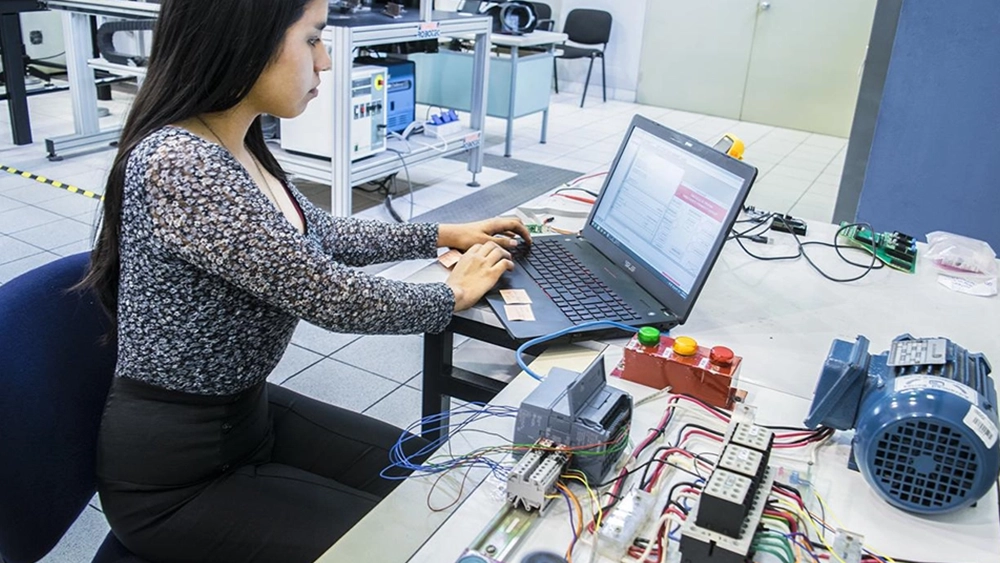
Practical training helps learners develop skills in wiring, programming, system configuration, fault identification, and maintenance.
Key Areas of PLC and Electrical Automation Education
Basic Electrical Control
Electrical training workbenches introduce fundamental concepts such as circuit construction, electrical protection, contactors, relays, switches, and motor control.
These exercises establish a foundation for more advanced automation training.
PLC Programming and Control
PLC training platforms allow students to practice digital input and output control, ladder logic programming, timers, counters, sequencing, and automated machine operation.
Structured exercises help learners understand how software instructions control physical equipment.
Motor Drives and Industrial Sensors
Industrial automation relies on the coordination of motors, sensors, and controllers.
Training systems can demonstrate motor starting, speed control, variable-frequency drives, sensor detection, and basic closed-loop control concepts.
Integrated Automation Applications
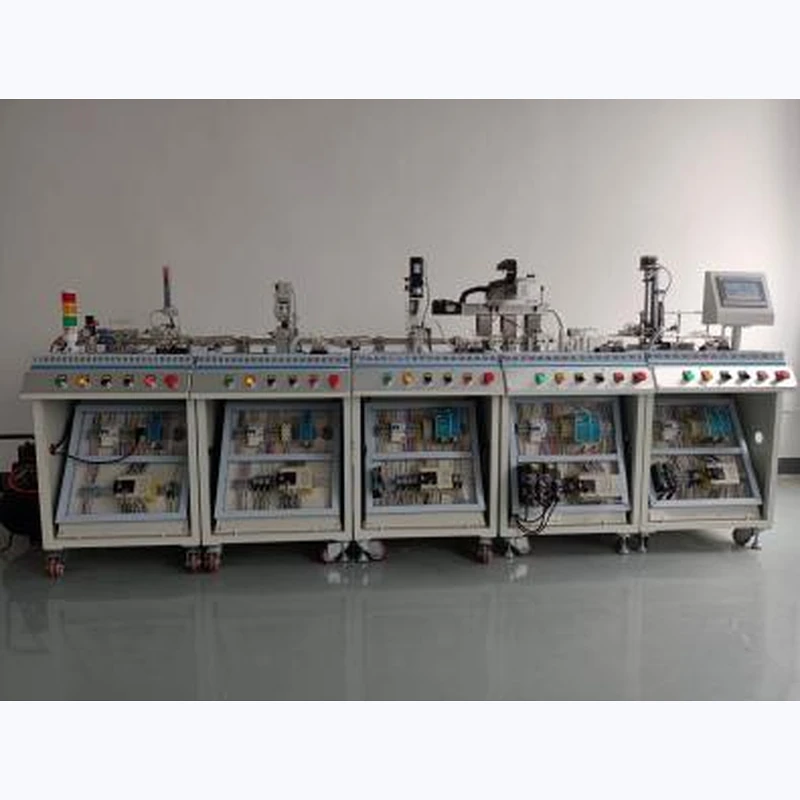
Advanced training platforms can combine PLC controllers with pneumatic systems, conveyors, industrial sensors, and automated handling equipment.
These integrated systems help students understand real-world industrial processes.
Developing Troubleshooting and Maintenance Skills
Industrial technicians must be able to identify problems quickly and safely.
Practical PLC training can include electrical measurements, wiring inspection, signal analysis, program monitoring, and systematic fault diagnosis.
By working with training equipment, students develop a better understanding of how control systems behave under different operating conditions.
FORCHIP PLC Training Solutions
FORCHIP provides PLC and electrical automation training equipment for vocational colleges, engineering laboratories, and technical education centers.
Our training platforms support electrical fundamentals, programmable controller operation, motor control, industrial sensors, and integrated automation applications.
These systems help educational institutions build structured learning environments for industrial electrical and automation technologies.
Explore FORCHIP PLC Training Equipment to discover solutions for your electrical and automation training laboratory.
